
Discover the Ultimate Guide to Healthy Food Choices in 2023
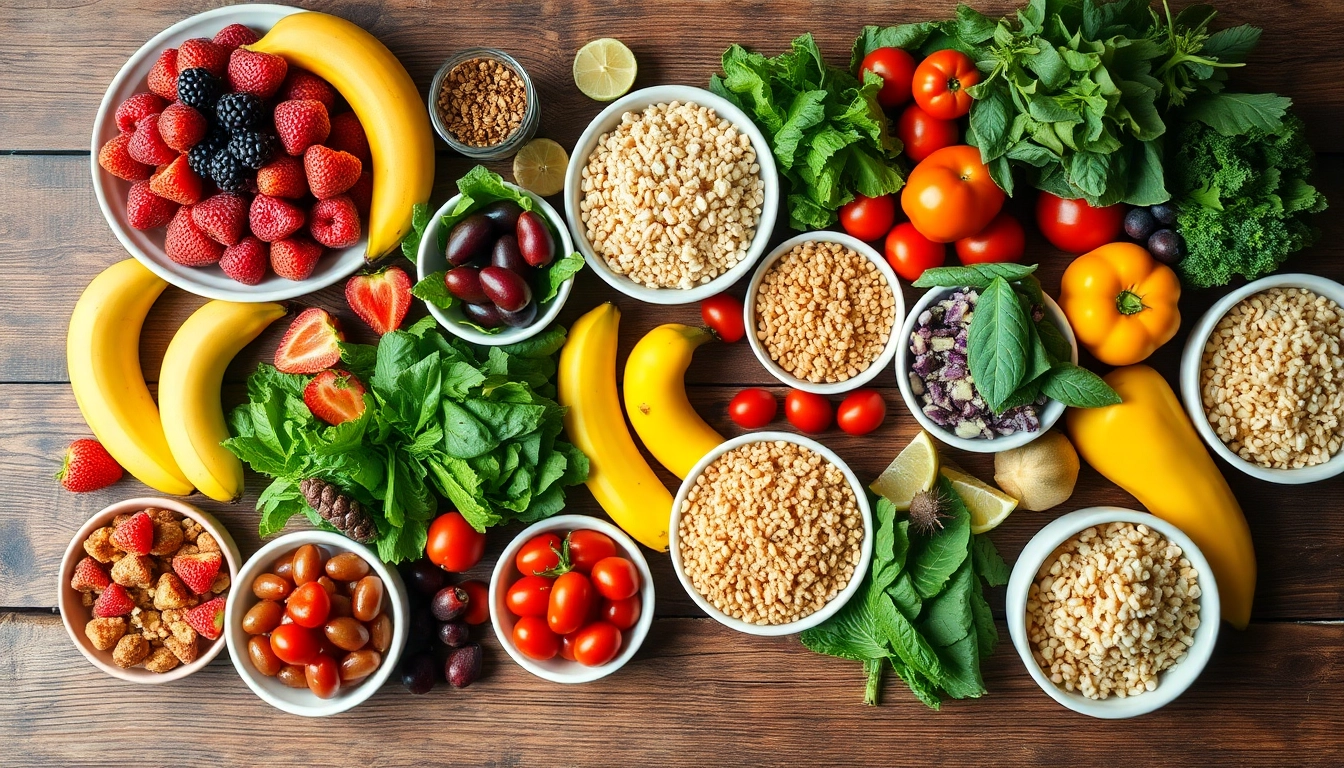
Understanding Healthy Food: What Does It Mean?
Healthy food is a term that encompasses various food items that are beneficial to our health and well-being. It includes whole foods that provide essential nutrients, vitamins, and minerals that our bodies require to function optimally. When embarking on a journey towards better nutrition, understanding the concept of healthy food becomes imperative. This segment will break down the basics of healthy eating and illuminate key components that contribute to an improved dietary lifestyle.
The Basics of Healthy Eating
Healthy eating focuses on the balance of nutrients that the body needs, which can vary depending on individual health goals, conditions, and dietary preferences. It typically includes:
- Fruits and Vegetables: Whole fruits and vegetables are packed with vitamins, minerals, and fiber, providing essential nutrients while aiding in digestion.
- Whole Grains: Foods such as brown rice, quinoa, and whole wheat bread are rich in fiber and help maintain energy levels.
- Lean Proteins: Sources like chicken, fish, legume, and nuts deliver necessary protein without excessive fat.
- Healthy Fats: Avocados, olive oil, and nuts offer healthy fats that are crucial for brain health and hormone production.
Key Components of a Healthy Diet
A well-rounded diet not only includes the above-mentioned food groups but also emphasizes the importance of portion control and balance. Key components of a healthy diet include:
- Variety: Incorporating a wide range of foods to ensure all nutrient needs are met.
- Moderation: Consuming the right portion sizes to maintain an optimal weight and good health.
- Consistency: Making healthy choices a regular habit, rather than a transient phase.
Debunking Common Myths About Healthy Food
Despite the abundance of information available, several myths persist surrounding healthy food. Some common misconceptions include:
- All Fats are Bad: Healthy fats are essential for bodily functions and should be included in moderation.
- Carbs Are to Be Avoided: Complex carbohydrates from whole foods are critical for energy and should not be eliminated.
- Healthy Food Is Too Expensive: While some organic items can be costly, many healthy options are budget-friendly, particularly seasonal fruits and vegetables.
Benefits of Incorporating Healthy Food Into Your Diet
Eating healthy foods not only enhances physical health but also contributes to overall wellness. Let’s explore the various advantages of a nutritious diet.
Physical Health Advantages
A diet rich in healthy food promotes numerous physical health benefits, including:
- Weight Management: Whole foods are typically lower in calories and higher in nutrition, aiding in weight control.
- Reduced Risk of Chronic Diseases: Consuming a variety of fruits, vegetables, and whole grains can lower the risk of diseases such as diabetes, heart disease, and some cancers.
- Improved Digestive Health: High-fiber foods help promote digestive health by preventing constipation and maintaining gut health.
Mental Health Benefits of Healthy Eating
The connection between diet and mental health is increasingly recognized. Healthy eating can lead to improved mood and cognitive functions, as seen in studies demonstrating:
- Reduced Symptoms of Depression and Anxiety: A balanced diet rich in nutrients can enhance neurotransmitter functions, aiding mood regulation.
- Improved Concentration: The brain requires specific nutrients to function correctly, and a diet high in fruits and veggies supports cognitive clarity.
Long-Term Wellness Through Nutrition
Incorporating healthy foods into your diet fosters long-term wellness, encouraging sustainable health habits. Research has shown that dietary trends focus on the long-term rather than short-term diets, leading to:
- Enhanced Longevity: Nutritious eating can contribute to a longer lifespan by preventing chronic health issues.
- Better Quality of Life: Overall, eating well leads to improved vitality and energy levels, promoting a fulfilling life.
How to Easily Access Healthy Food
For individuals looking to improve their diet, accessibility to healthy food is paramount. Below are practical strategies to make healthier eating more manageable.
Finding Healthy Food in Your Local Area
Finding healthy options locally can sometimes be a challenge, but several strategies can help:
- Farmers’ Markets: These venues often provide fresh, organic produce at reasonable prices.
- Health Food Stores: Local health food stores typically offer a wide selection of nutritious options.
- Community Supported Agriculture (CSA): Joining a CSA can provide regular access to locally-grown, seasonal produce.
Online Grocery Shopping for Healthy Choices
In the age of technology, online grocery shopping has become increasingly popular. Here are tips for finding healthy food online:
- Choose Reputable Brands: Ensure the online store has a good reputation for sourcing fresh and organic products.
- Read Labels Carefully: Pay attention to ingredient lists and nutritional information when selecting products.
- Utilize Subscription Boxes: Consider meal kit delivery services that focus on healthy ingredients to simplify meal prep.
Meal Planning with Healthy Foods
Meal planning not only saves time but can also help you make healthier food choices. Steps to effective meal planning include:
- Plan Weekly Menus: Develop a weekly menu based around healthy foods that include balanced meals and snacks.
- Make a Grocery List: Prepare a list based on your menu to avoid impulse buying and ensure you have all necessary ingredients.
- Prepare in Advance: Spend a portion of your weekend prepping ingredients, making meals, or portions ahead, making it easier to stick to healthy eating during busy weeks.
Healthy Food Recipes to Get You Started
Creating delicious meals at home can make adopting a healthier lifestyle enjoyable. Here are some recipes to inspire your healthy cooking.
Quick and Easy Healthy Snack Ideas
Healthy snacks can help keep your energy levels stable throughout the day. Here are some quick ideas:
- Veggie Sticks with Hummus: Simple and refreshing, raw vegetable sticks paired with hummus make for a crispy nutrient-packed snack.
- Greek Yogurt Parfait: Layer Greek yogurt with fresh berries and a sprinkle of granola for a protein-rich treat.
- Nut Butter and Apple Slices: An easy on-the-go snack that combines healthy fats and fiber.
Nutritious Breakfast Options
A healthy breakfast is vital for kickstarting your day. Here are nourishing breakfast ideas:
- Overnight Oats: Prepare oats with chia seeds, almond milk, and your choice of fruits to eat a hearty breakfast on the go.
- Smoothie Bowl: Blend your favorite fruits with spinach, and top it off with nuts and seeds for added texture and nutrition.
- Avocado Toast: Spread mashed avocado on whole-grain bread and top with poached eggs for a wholesome option.
Wholesome Dinner Recipes
End your day with a satisfying meal that nourishes your body:
- Quinoa and Black Bean Salad: Toss cooked quinoa with black beans, diced bell peppers, and fresh lime juice for a filling meal.
- Grilled Salmon and Veggies: Marinate salmon fillets and grill with seasonal vegetables for a delicious dinner rich in omega-3s.
- Vegetable Stir-Fry: Sauté a variety of colorful vegetables with tofu or chicken in a light soy sauce for a quick, healthy dish.
Making Healthy Food Choices Sustainable
Transitioning to a healthier diet doesn’t stop at making better choices; it requires sustainability and commitment. Here are steps to ensure long-lasting healthy eating habits.
Tips for Maintaining a Healthy Eating Habit
Maintaining a healthy diet can be challenging but is achievable. Here are some strategies:
- Set Realistic Goals: Aim for achievable dietary changes instead of a complete overhaul.
- Track Progress: Keeping a food diary can help you understand your habits and make informed adjustments.
- Stay Inspired: Experiment with new recipes and explore different cuisines to keep your meals exciting.
The Role of Healthy Food in Weight Management
Healthy food plays a critical role in managing weight effectively:
- Caloric Balance: Eating nutrient-dense foods can help manage hunger while maintaining a healthy caloric intake.
- Mindful Eating: Focus on understanding hunger cues and enjoying meals without distractions, promoting better relationship with food.
Community Resources for Healthy Eating
Engaging with community resources can support your healthy eating journey:
- Nutrition Classes: Many local universities and community centers offer workshops to educate on healthy eating.
- Support Groups: Joining a support group can provide motivation through shared experiences and challenges.
- Online Communities: Plenty of online forums and social media groups focus on healthy eating, sharing recipes and success stories.