
Effective Smartphone-Gimbal Techniques for Stunning Video in 2025
Understanding Smartphone-Gimbals
In an age where content creation is more accessible than ever, smartphone gimbals have emerged as essential tools for videographers and casual users alike. These handy devices help stabilize smartphone footage, resulting in smooth and professional-looking videos. But what exactly is a smartphone gimbal, how does it function, and why is it becoming a staple in content creation? In this article, we will delve into the mechanics of smartphone gimbals, explore their advantages, and guide you on choosing the right model for your needs. Additionally, we’ll cover practical filming techniques and innovative uses, while keeping an eye on future trends within the industry. Whether you’re vlogging, filming short films, or enhancing your social media presence, understanding the ins and outs of the smartphone gimbal can dramatically elevate your content quality. When exploring options, Smartphone-Gimbal offers comprehensive insights into usage and tips from seasoned creators.
What is a Smartphone-Gimbal?
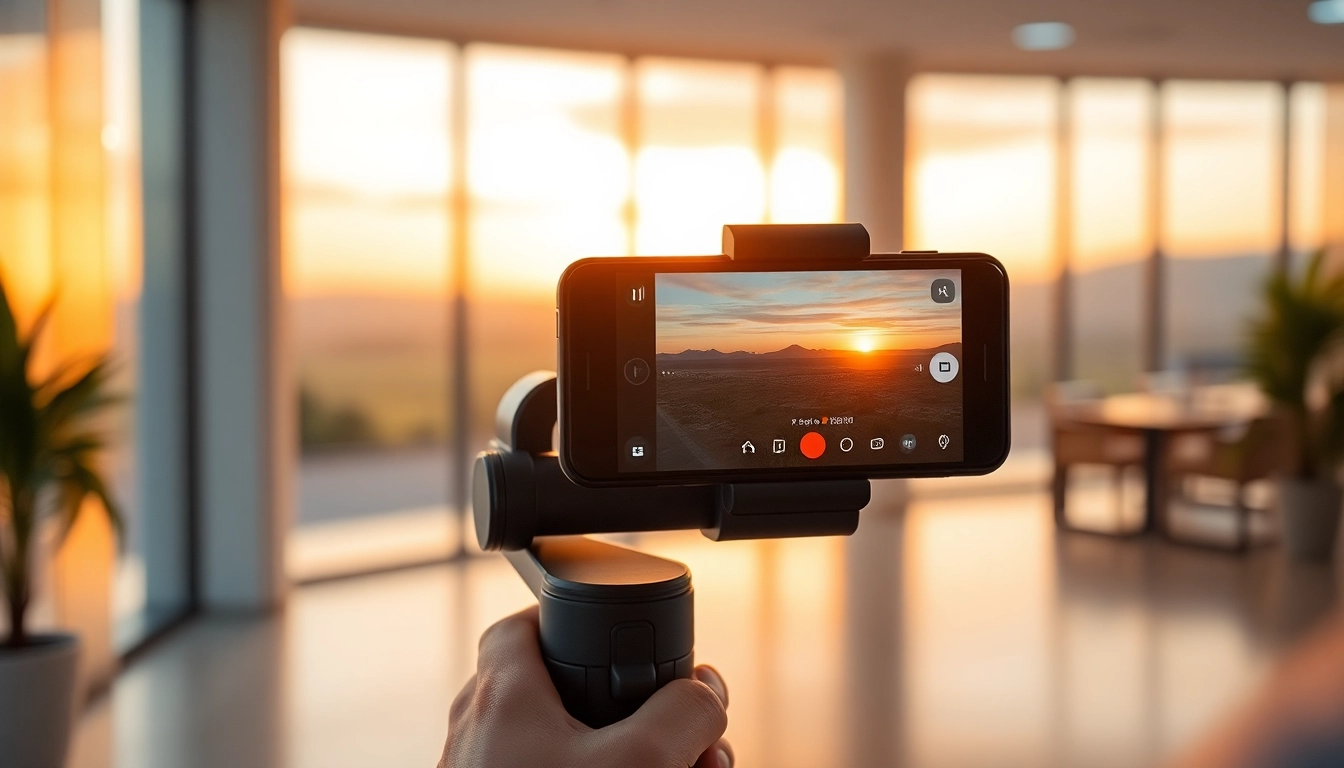
A smartphone gimbal is a handheld stabilizer that employs motorized technology to keep your phone steady while filming. Unlike traditional stabilizers, gimbals use advanced algorithms and sensors to compensate for any unwanted movement. Whether you’re walking, running, or shooting in challenging environments, a smartphone gimbal ensures that your footage remains smooth and visually appealing. They are designed to work with a wide range of smartphones, making them a versatile option for creators across various platforms.
How Smartphone-Gimbals Work
Smartphone gimbals operate using a system of motors and sensors that detect movements. When you tilt, pan, or rotate the device, the sensors relay this information to the motors, which adjust the position of the smartphone in real-time, counteracting any shake or instability. This three-axis stabilization system allows for smoother footage, even in dynamic shooting situations. Additionally, many gimbals come equipped with modes such as follow mode, where the gimbal follows the user’s movement, and lock mode, which keeps the camera fixed on a subject.
Advantages of Using a Smartphone-Gimbal
- Smoother Footage: The primary benefit of using a gimbal is the significant reduction of camera shake. This leads to more professional-looking videos.
- Increased Creativity: Gimbals allow for a variety of cinematic shots, including sweeping panoramic shots, dynamic movements, and stable close-ups.
- User-Friendly: Most smartphone gimbals are designed for ease of use, even for beginners. They often feature intuitive controls and mobile apps that enhance functionality.
- Versatility: Gimbals can be used across various shooting scenarios, from vlogging to cinematic storytelling, making them an invaluable tool for all types of content creators.
- Affordable Options: With a wide range of models available, users can find gimbals that fit their budget while still offering impressive features.
Choosing the Right Smartphone-Gimbal
When selecting a smartphone gimbal, it is essential to consider several factors that can influence your shooting experience. Understanding these aspects will help you make an informed decision tailored to your specific needs and intended use.
Factors to Consider When Selecting a Gimbal
- Weight and Portability: For travel and mobility, consider the weight of the gimbal as well as its foldability. A lightweight, compact gimbal is often easier to transport.
- Compatibility: Ensure that the gimbal is compatible with your smartphone model regarding size and weight.
- Battery Life: Check the battery life of the gimbal, especially if you plan to shoot long sessions without access to charging.
- Features and Modes: Look for additional features such as face tracking, time-lapse, and hyper-lapse modes, which can enhance your filming options.
- Build Quality: A sturdy construction will ensure that your gimbal can withstand regular use and various environmental conditions.
Top Smartphone-Gimbal Models in 2025
As technology progresses, several smartphone gimbals stand out in the market. Here are some of the top models you might consider:
- DJI OM5: Renowned for its user-friendliness and advanced features, including improved tracking capabilities.
- Insta360 Flow: Offers extensive features for creators, including AI tracking and an impressive battery life that supports lengthy shooting sessions.
- Hohem iSteady V3: A budget-friendly option that doesn’t compromise on performance, ideal for beginners and casual users.
- Zhiyun Smooth 4: This gimbal provides professional-grade features at a competitive price, making it suitable for serious content creators.
- Feiyu G6 Plus: Known for its rugged design and compatibility with various smartphones and action cameras.
Budget vs. Performance: Finding the Best Fit
When it comes to smartphone gimbals, balancing budget and performance is crucial. While there are many affordable options on the market, investing in a higher-quality gimbal may provide better stabilization, additional features, and greater durability. It’s important to assess your needs; for instance, if you are a serious vlogger or filmmaker, spending more on a reliable, feature-rich gimbal will likely yield a better return on investment.
Techniques for Using a Smartphone-Gimbal
Mastering your smartphone gimbal requires an understanding of proper setup and techniques that can enhance your shooting experience while minimizing mistakes. This section explores various techniques for beginners and seasoned users alike.
Basic Setup and Calibration
To achieve the best results, proper calibration of your smartphone gimbal is essential. Start by ensuring that your gimbal is fully charged and that the smartphone is securely mounted. Many gimbals come with specific calibration instructions, which you should follow closely. Additionally, consider balancing the gimbal before use; a well-balanced gimbal reduces strain on the motors and enhances stability during filming.
Advanced Filming Techniques with Gimbals
Once you’re comfortable with the basic setup, consider exploring advanced filming techniques:
- Dynamic Shots: Experiment with moving shots by walking while keeping your gimbal steady. Try combining different movements for more cinematic effects.
- Dolly Zoom: Achieve this popular cinematic effect by moving the gimbal closer to or further away from the subject while zooming in or out with your phone’s camera.
- Tracking Shots: Use the follow mode to capture movement, allowing the gimbal to track your subject effortlessly.
- Low Angle Shots: Experiment with shooting from lower angles to create unique perspectives and compositions.
Common Mistakes to Avoid
While using a smartphone gimbal, some common mistakes can hinder your filming experience:
- Incorrect Balancing: Failing to properly balance your smartphone can lead to shaky footage and motor strain.
- Neglecting Battery Life: Always check your gimbal’s battery levels before a shoot to avoid interruptions.
- Overusing Effects: While advanced features are enticing, overusing them can distract from your content. Use effects judiciously.
- Ignoring Gimbal Modes: Understanding the different modes (like follow and lock modes) can significantly enhance your shooting capabilities.
Applications of Smartphone-Gimbals in Content Creation
Smartphone gimbals are not just tools for stabilization; they serve various applications in content creation, catering to both amateur and professional creators. Here are some popular ways gimbals are utilized:
Smartphone-Gimbal for Vlogging
Vlogging has soared in popularity, and smartphone gimbals play a pivotal role in enhancing video quality. A smooth, stable shot allows vloggers to create engaging content that keeps viewers hooked. Content creators can move freely while recording their experiences, knowing their gimbal will keep the footage steady, whether they are walking through a market, hiking, or demonstrating a recipe.
Creative Uses for Short Films and Documentaries
Short films and documentaries often require a mix of dynamic and static shots. Using a smartphone gimbal allows filmmakers to achieve smooth tracking shots and breathtaking visuals without the need for complex equipment. This accessibility lowers the barrier to entry for aspiring filmmakers and encourages creativity across various genres.
Social Media and Smartphone-Gimbal Integration
For social media content, smartphone gimbals are invaluable. Platforms like Instagram and TikTok favor high-quality visuals, and creators who utilize gimbals benefit from producing content that stands out. Gimbals can facilitate various styles of shots, making it easier to engage audiences with unique perspectives, dramatic transitions, and cinematic storytelling.
Future Trends in Smartphone-Gimbal Technology
As technology advances, so do gimbals. The future promises exciting developments that are likely to enhance the usability and performance of smartphone gimbals.
Innovative Features to Watch for in 2025
Emerging gimbal technologies hint at new features that could redefine smartphone filmmaking. Look for developments in integration with augmented reality (AR), where gimbals can assist in creating immersive experiences. Additionally, the incorporation of customizable settings and real-time feedback via companion apps will likely offer more control over the filming process.
The Role of AI in Gimbal Functionality
Artificial Intelligence (AI) is already making waves in various tech fields, and gimbals are no exception. Future models may include AI tracking and gesture control, allowing users to operate their gimbals with simple hand signals. This intuitive approach will make filming smoother and more accessible, especially for solo creators.
Predictions for Smartphone-Gimbal Market Growth
The smartphone gimbal market is expected to witness substantial growth in the coming years. With increasing demand for social media content and a surge in video consumption, more creators are seeking tools that enhance their production quality. As manufacturers continue to innovate, the accessibility and affordability of gimbals will likely attract even broader audiences, encouraging creativity across various demographics.


