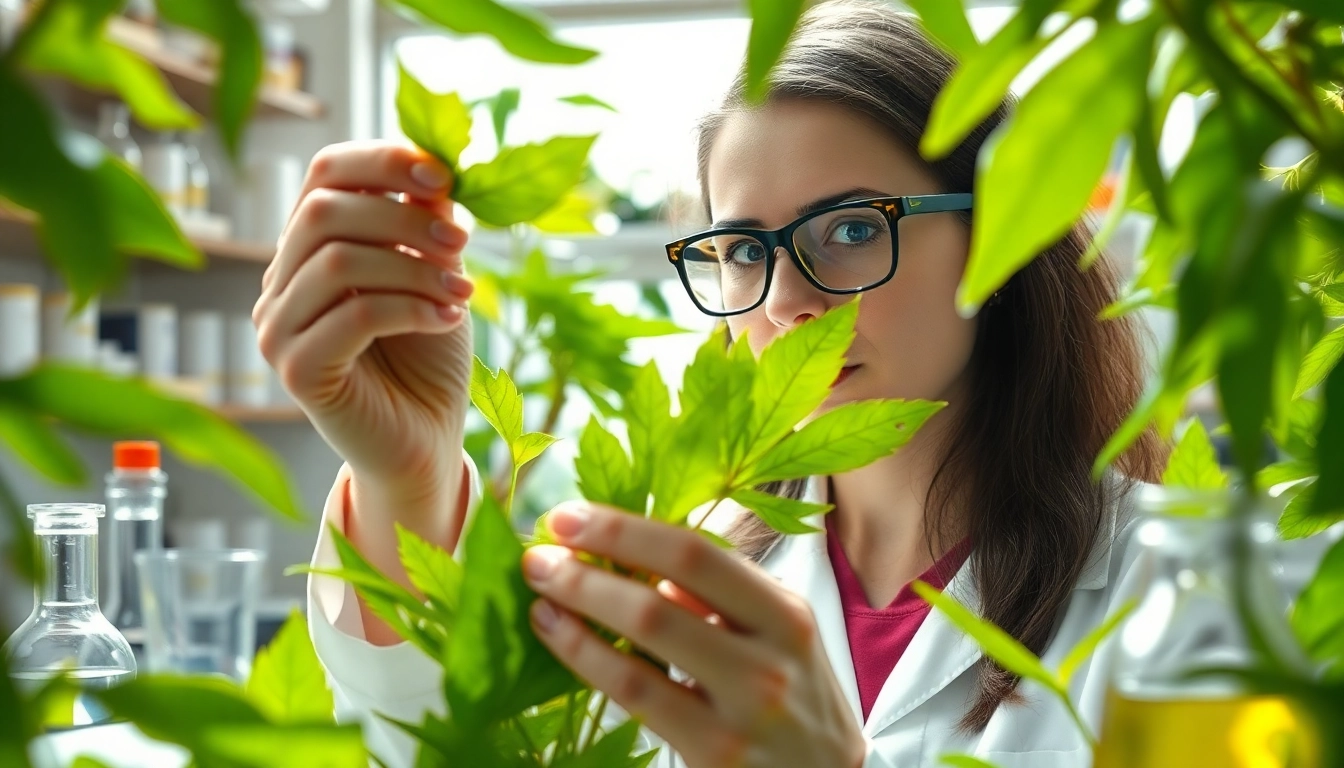
Understanding DMT: What It Is and Its Sources
DMT, or N,N-Dimethyltryptamine, is a powerful psychedelic compound that has garnered significant attention in both recreational and therapeutic contexts. With a reputation for inducing profound altered states of consciousness, DMT is often considered one of the most potent hallucinogens known. For those interested in how to get dmt, understanding its fundamental aspects, including its origins and properties, is critical.
The Science Behind DMT
DMT's chemical structure is closely related to serotonin and melatonin, hormones that regulate mood and sleep, respectively. It operates primarily as a 5-HT2A agonist, impacting serotonin receptors in the brain and leading to its characteristic psychedelic effects. These effects can include vivid visual experiences, time distortion, and a sense of connectivity with the universe. Research suggests that DMT may play a role in the brain's natural processes, possibly relating to dreaming and near-death experiences.
Natural Sources of DMT
DMT is not solely a synthetic compound; it can also be derived from various natural sources. Some notable plants that naturally contain DMT include:
- Mimosa Hostilis: Widely used for traditional practices and known for its root bark containing high levels of DMT.
- Psychotria Viridis: Often utilized in traditional Amazonian brews like Ayahuasca, it contains DMT and other beneficial compounds.
- Diplopterys Cabrerana: An important source in the context of indigenous practices, particularly in brews used for spiritual exploration.
These plants are often combined with other ingredients to create potent brews that facilitate profound psychedelic experiences, opening the door to cultural and spiritual insights.
Synthetic vs. Natural DMT
While DMT can be synthesized in laboratories, many users prefer the natural route due to a belief that the whole plant provides a more holistic experience. Synthetic DMT is created through chemical processes that replicate the natural compound, but it often lacks the accompanying compounds found in the plant, which may contribute to its therapeutic effects. Understanding the differences between these forms can inform personal choices regarding usage and extraction methods.
Legal Aspects of DMT: What You Need to Know
The legal status of DMT is complex and varies significantly by region. Navigating these laws is essential before attempting to obtain or use the substance.
Current Legal Status in the USA
In the United States, DMT is classified as a Schedule I controlled substance, making it illegal to manufacture, distribute, or possess. This classification implies a high potential for abuse and no accepted medical use, complicating access for those interested in its therapeutic properties. However, trials are ongoing to investigate its potential benefits in mental health treatment, which could influence future legal considerations.
Consequences of DMT Possession
Possession or distribution of DMT can lead to severe legal repercussions, including fines and incarceration. Notably, the legal ramifications can be even more stringent depending on the quantity held and the intent of use. It is crucial for individuals to remain informed about their local laws to avoid unintentional violations.
Advocacy and Research on DMT
Despite its legal status, there is a growing movement advocating for the decriminalization and medical research of DMT. Organizations aim to explore the potential therapeutic benefits of DMT in treating conditions like PTSD, depression, and anxiety. Research initiatives examine the mechanisms by which DMT alters consciousness and its implications for psychological well-being, further enticing interest in considering a legal framework that accommodates its medicinal use.
How to Get DMT: Traditional Methods
The traditional pursuit of DMT often revolves around the cultural practices of indigenous peoples. Understanding these methods provides insight into responsible and ethical approaches to obtaining the substance.
Extraction from Natural Plant Sources
Extracting DMT from plants involves using various extraction methods, including acid-base extraction techniques to yield a more concentrated product. While some may consider this DIY approach, it requires diligence to ensure safety and legality. Knowledge of botany and chemistry is crucial, as is a respect for the cultures that have historically used these plants for spiritual and healing purposes.
Utilizing Indigenous Practices
Engaging with indigenous practices involves more than simply obtaining a substance; it requires respect for the cultural significance surrounding its use. Many indigenous tribes utilize DMT-containing plants in ceremonial contexts, emphasizing communal and spiritual healing. Those interested in this route should seek to learn about proper protocols and the cultural context to ensure a respectful engagement with the practices.
Dangers of DIY Extraction
Attempting to extract DMT without proper knowledge and equipment can lead to hazardous situations. Poorly executed extractions may result in impure products and health risks associated with ingesting untested substances. Moreover, the illicit nature of home extraction can lead to severe legal repercussions. Engaging in this practice mandates a comprehensive understanding of both the scientific and legal challenges involved.
Modern Techniques: Approaching DMT Extraction Safely
As interest in DMT has surged, so has the development of modern extraction techniques designed for safety and efficacy.
Advances in Extraction Methods
Contemporary methods often utilize more sophisticated processes, such as liquid-liquid extraction and chromatography, to produce purer forms of DMT. These methods minimize the risk of contamination and provide a clearer understanding of yield and potency. Moreover, they often employ safer solvents, reducing health risks compared to traditional methods.
Safety Measures and Best Practices
For those involved in extraction processes, implementing safety measures is paramount. This includes conducting extractions in well-ventilated spaces, wearing appropriate protective gear, and adhering strictly to legal guidelines. Understanding the full profile of potentially hazardous substances used during the process is vital to ensuring personal safety and compliance with regulation.
Resources for Ethical Harvesting
To foster a sustainable approach to obtaining DMT, numerous organizations provide resources on ethical plant harvesting. Learning about responsible sourcing helps maintain biodiversity and supports indigenous communities that rely on these plants. Advocating for sustainability ensures that future generations have access to these natural medicines while respecting the ecosystems that provide them.
Future of DMT: Research and Therapeutic Potential
The frontier of research on DMT is expanding rapidly, sparking both interest and hope in therapeutic applications.
DMT in Mental Health Treatments
Recent studies have highlighted DMT's potential in mental health treatment, particularly in alleviating conditions such as depression and anxiety. Participants in clinical trials often report lasting positive effects on their mental well-being after DMT experiences. Ongoing research aims to clarify the mechanisms behind these benefits and how DMT could serve as an adjunct therapeutic tool.
Exploring Psychedelic Therapy
The integration of DMT into psychedelic therapy is an exciting area of exploration. Psychedelic therapy offers a potential paradigm shift in mental health treatment. DMT may play a significant role in facilitating deep mental and emotional exploration during therapeutic settings, leading to increased self-awareness and healing.
The Future of DMT Research
As interest grows and legal barriers are reconsidered, future research on DMT may broaden, encompassing not only mental health but also applications in neurobiology and spirituality. The potential benefits of DMT, when extensively researched, could lead to a broader understanding of consciousness and human experience, contributing to both scientific knowledge and cultural discussions surrounding psychedelics.
Frequently Asked Questions about DMT
What is DMT used for?
DMT is primarily used for its powerful psychedelic effects, often in spiritual or therapeutic contexts. It is associated with profound experiences of altered consciousness, contributing to insights and emotional healing.
Is DMT legal?
In many countries, including the USA, DMT is classified as a Schedule I controlled substance, making it illegal to possess or distribute. Legal status varies globally, with some regions allowing certain practices.
Can DMT be harmful?
Yes, DMT can pose psychological and physical risks, particularly if misused or taken in uncontrolled environments. Understanding potential effects and legal ramifications is crucial for safe use.
How is DMT administered?
DMT can be smoked, vaporized, or consumed as part of an herbal brew like Ayahuasca. Each method delivers different onset times and intensities of the experience.
What are the effects of DMT?
Effects of DMT include intense visual and auditory hallucinations, time distortion, and profound emotional experiences. Users often report a sense of interconnectedness and altered perception of reality.