Understanding Water Leak Detection
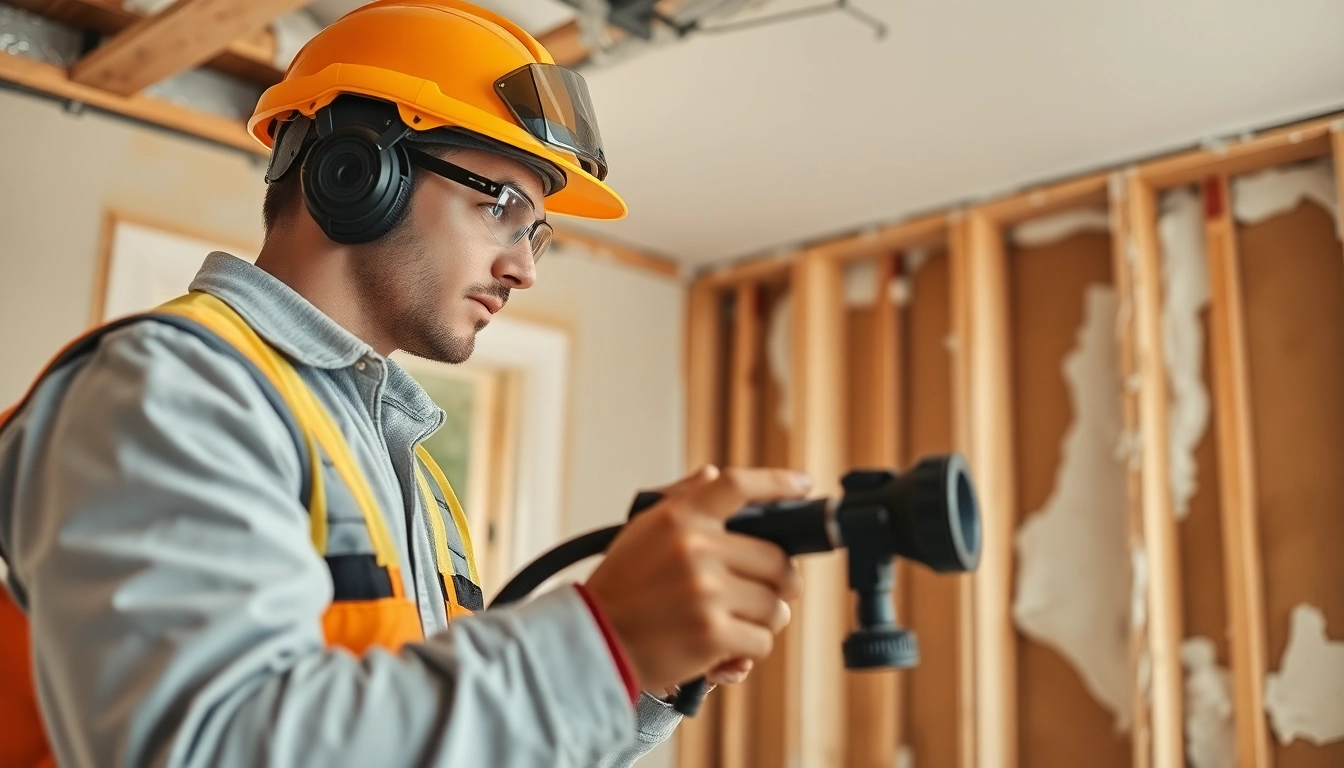
Water leak detection is a critical service that can save homeowners from costly repairs and potentially hazardous situations. Early identification of leaks not only protects your property but also ensures the efficiency of your plumbing system. With advancements in technology, the methods to detect leaks have become more sophisticated, allowing for faster and more accurate diagnosis. When exploring options, water leak detection services offer a variety of techniques designed to uncover hidden issues with minimal disruption.
What Is Water Leak Detection?
Water leak detection refers to the process of identifying leaks within plumbing systems, which may include pipes, faucets, and fixtures. This process utilizes a combination of tools, technology, and expertise to locate areas of water loss that may not be visible to the naked eye. Notably, leak detection goes beyond just identifying the presence of leaks; it also aims to pinpoint their exact locations and assess the potential for damage.
The Importance of Early Leak Detection
Detecting a water leak early provides numerous benefits for homeowners:
- Cost Savings: Identifying leaks early can prevent extensive water damage and reduce repair costs significantly.
- Health Benefits: Hidden leaks can promote mold growth, which poses health risks to residents.
- Efficiency: Timely leak detection enhances the efficiency of your plumbing system, lowering water bills.
Moreover, regular maintenance and proactive detection can extend the life of your plumbing infrastructure.
Common Causes of Water Leaks
Understanding the common causes of water leaks can help homeowners take preventive measures. Here are some prevalent causes:
- Ageing pipes that become brittle and prone to cracking.
- Corrosion that weakens pipe walls, leading to leaks.
- Improper installations that don't meet code or industry standards.
- Extreme weather conditions causing ground shifts and stress on pipelines.
- High water pressure that exceeds the tolerance levels of plumbing materials.
Being aware of these risk factors can help homeowners monitor their properties more effectively.
Technologies Used in Water Leak Detection
Advancements in technology have revolutionized the methods used for water leak detection, resulting in faster and more accurate diagnoses. Today, several state-of-the-art techniques are employed:
Advanced Thermal Imaging Techniques
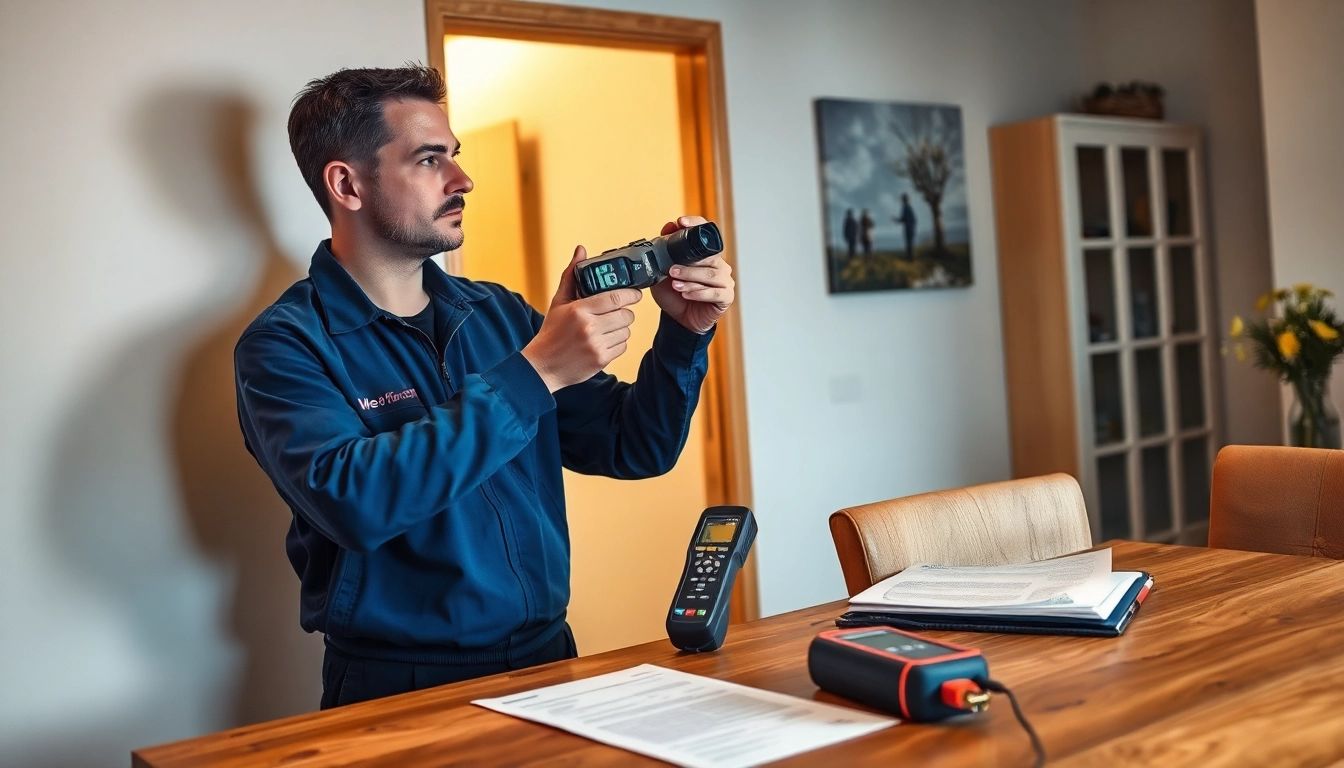
Thermal imaging cameras utilize infrared technology to detect temperature anomalies caused by water leaks. By scanning walls, floors, and ceilings, technicians can identify cold spots that may indicate moisture accumulation. This method is particularly effective for locating hidden leaks without invasive procedures, thereby preserving the integrity of the property.
Pressure Testing Methods
Pressure testing is essential for identifying leaks in closed systems. By isolating sections of pipework and monitoring pressure changes, technicians can determine if a leak exists. This method is highly effective for underground or inaccessible pipes where visual inspection is impractical.
Acoustic and Tracer Gas Detection
Acoustic detection techniques involve using sensitive microphones to pick up the sound of water escaping from pipes, even when buried deep underground. On the other hand, tracer gas detection introduces a safe, odorless gas into the plumbing system, allowing for identification of leaks based on gas escape. These methods are particularly useful for pinpointing leaks that are otherwise difficult to locate.
Signs You May Have a Water Leak
Being vigilant about potential signs of water leaks can save homeowners from costly damage down the line. Here are some warning signs to watch for:
Visible Water Damage and Mold
One of the most noticeable signs of a leak is visible water damage, including stains on walls and ceilings, or the presence of mold. Mold can develop quickly in damp environments, posing health risks that should not be ignored. If you notice discoloration or dark spots, it may indicate a leak.
Changes in Water Bills
An unexpected spike in water bills can be a clear indicator of a leak. If your water usage remains consistent but your bill increases, it's essential to investigate further. Keep an eye on your water meter; if it continues to run while all fixtures are off, a leak may be present.
Unusual Sounds from Pipes
Listening to your plumbing can provide insight into potential leaks. Sounds like dripping, hissing, or gurgling may indicate water escaping from pipes. These noises can be particularly prominent at night when the household is quiet.
Choosing a Water Leak Detection Service
Selecting a reputable leak detection service is crucial for ensuring the problem is accurately diagnosed and resolved. Here are some factors to consider:
What to Look for in a Specialist
When choosing a leak detection specialist, look for experience, positive customer reviews, and industry certifications. A qualified technician will have the skills necessary to utilize advanced technology effectively and provide clear, detailed reports on their findings.
Comparing No Find No Fee Guarantees
Many leak detection services offer a "no find, no fee" guarantee. This means that if they cannot locate a leak, you won’t be charged for their services. It's essential to read the fine print and understand the terms of this guarantee to avoid potential pitfalls.
Understanding Industry Certifications
Certifications can be an indicator of a technician's knowledge and professionalism. Ensure the service provider has relevant certifications, such as those from industry organizations, which demonstrate their commitment to quality and ongoing education.
Future Trends in Water Leak Detection
As technology continues to evolve, new trends in water leak detection are emerging. Here are some innovations to watch for in 2025:
Innovations on the Horizon for 2025
In the coming years, we can anticipate the integration of artificial intelligence (AI) in leak detection services. AI-powered systems could analyze data more effectively, allowing for preemptive identification of potential leaks before they become problematic. This proactive approach will enhance property management and maintenance strategies.
Impact of Smart Home Technology
Smart home technology is changing the way homeowners monitor their properties. Devices that detect leaks and communicate with homeowners in real-time could become standard. For example, smart leak detectors can alert homeowners via smartphone when a leak is detected, enabling rapid response to minimize damage.
Environmental Considerations and Sustainability
As environmental concerns grow, water leak detection services are also becoming more sustainable. Techniques that minimize damage during leak detection and repair processes will be increasingly prioritized. Additionally, services may focus on eco-friendly practices, such as using non-toxic materials and energy-efficient technologies.
Conclusion
Water leak detection plays a vital role in maintaining the integrity of your home and preventing costly damages. By understanding the technologies available, recognizing the signs of leaks, and choosing the right specialists, homeowners can effectively manage their plumbing systems. The future of water leak detection promises exciting advancements that will further enhance property protection and sustainability efforts.