Overview of the Mount Everest Base Camp Trek
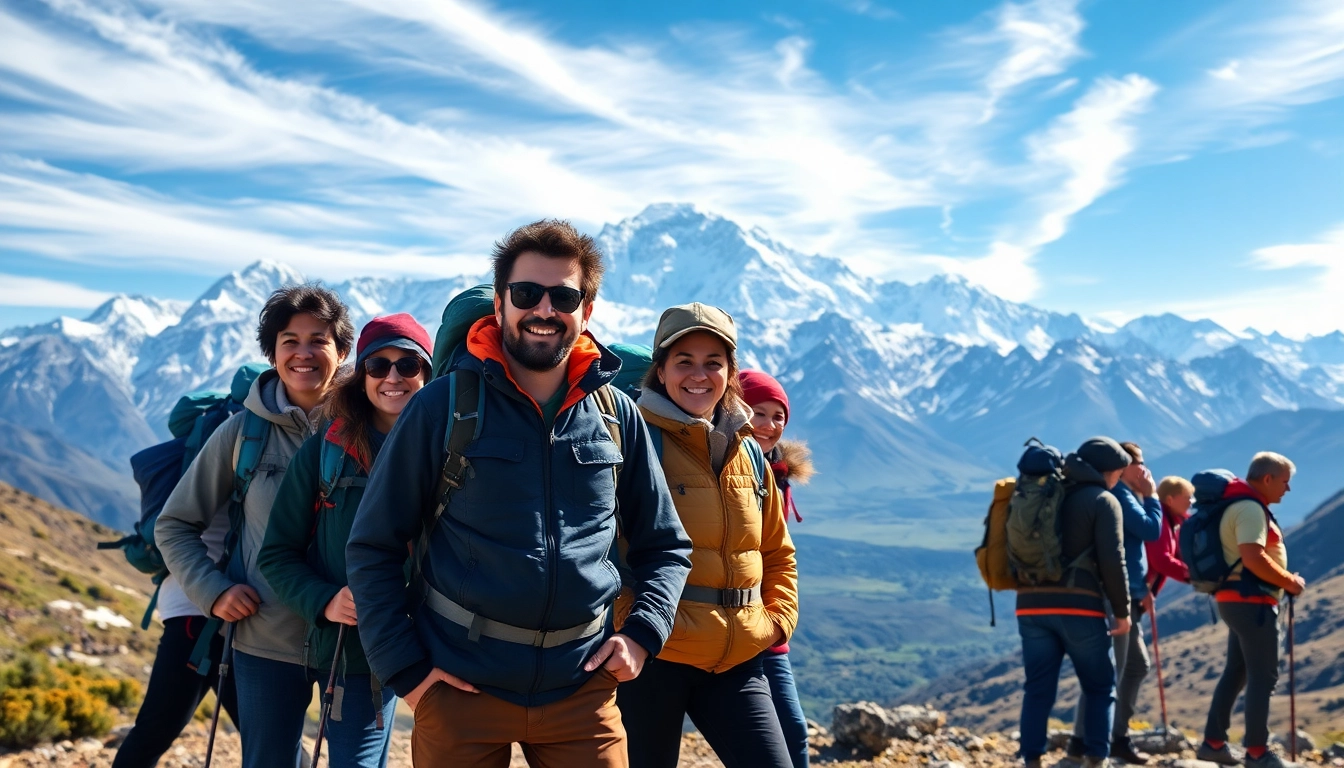
The mount Everest base camp trek is more than just a hiking experience; it's a transformative journey through one of the most breathtaking landscapes on the planet. Stretching over 14 days, this trek takes adventurers through the heart of the Khumbu region, where they can witness stunning vistas of the Himalayas, including the majestic Mount Everest, while immersing themselves in the rich culture of the Sherpa people. Each step on this challenging trail is a testament to the beauty and awe of high-altitude trekking, making it a dream adventure for many outdoor enthusiasts.
What to Expect on Your Journey
As you embark on the Everest Base Camp trek, expect to be surrounded by some of the highest peaks in the world. The trek typically involves a rugged path that weaves through dense forests, quaint Sherpa villages, and vast landscapes that feel infinite. Travelers can look forward to acclimatization days, which significantly aid in reducing altitude sickness risks, providing time to adjust both physically and mentally.
Key Highlights of the Trek
- Stunning views of iconic peaks such as Lhotse, Nuptse, and Makalu.
- Experience local Sherpa culture and hospitality in villages like Namche Bazaar.
- Visit Tengboche Monastery, the largest in the region, offering breathtaking views of Everest.
- Acclimatization hikes to Nangkartsang Peak and Kala Patthar for panoramic views.
- Stand at the base of the world’s highest peak at Everest Base Camp (5,364 meters).
Understanding the Trekking Routes
The Everest Base Camp trek follows well-marked trails through diverse landscapes. Starting from the lush green hills around Lukla, the trail gradually ascends, leading trekkers through alpine meadows to the rocky terrains near the base camp. Each section of the trek is catered to aid acclimatization, allowing trekkers to adapt to the thinning air and preventing altitude-related illnesses.
Planning Your Mount Everest Base Camp Trek
Choosing the Right Time to Trek
While the trek can be completed year-round, the best times are typically during spring (March to May) and autumn (September to November). During these months, the weather is generally stable, offering clear skies and moderate temperatures, which are ideal for trekking.
Preparing Physically and Mentally
Physical preparation is essential for a successful trek to Everest Base Camp. A training regimen that includes cardiovascular exercises, strength training, and hiking will help build stamina and endurance. Additionally, mental preparation is equally vital; understanding the challenges ahead will aid in maintaining a positive mindset throughout the journey.
What to Pack for the Journey
Your packing list for the Everest Base Camp trek should include sturdy trekking boots, layered clothing to adapt to temperature changes, a high-quality sleeping bag suitable for low temperatures, and necessary trekking gear. Don’t forget essentials such as a first-aid kit, sunscreen, and adequate hydration supplies. A comprehensive packing checklist can streamline your preparation.
Itinerary for the Mount Everest Base Camp Trek
Day-by-Day Breakdown of Activities
The Everest Base Camp trek typically spans over 14 days, with daily treks varying from 3 to 8 hours. Here’s a brief overview of the daily activities:
- Day 1: Arrival in Kathmandu, transfer to hotel for rest.
- Day 2: Fly to Lukla and trek to Phakding.
- Day 3: Trek to Namche Bazaar.
- Day 4: Acclimatization day in Namche with a hike to Hotel Everest View.
- Day 5: Trek to Tengboche.
- Day 6: Trek to Dingboche.
- Day 7: Acclimatization day in Dingboche.
- Day 8: Trek to Lobuche.
- Day 9: Trek to Everest Base Camp.
- Day 10: Hike to Kala Patthar and descend to Pheriche.
- Day 11: Trek to Namche Bazaar.
- Day 12: Trek to Lukla.
- Day 13: Fly back to Kathmandu.
- Day 14: Departure.
Acclimatization and Its Importance
Acclimatization is a critical aspect of the Everest Base Camp trek, preventing altitude sickness. The itinerary includes specific acclimatization days to allow your body to adjust to increasing altitudes. During these days, light hikes help enhance your red blood cell count, improving oxygen delivery throughout your body.
Points of Interest Along the Trek
Along the journey, trekkers will encounter stunning viewpoints, local villages, and historical sites such as the Tengboche Monastery. The trail is also adorned with prayer flags and mani stones, enriching the spiritual experience of the trek.
Costs and Permits for the Mount Everest Base Camp Trek
Understanding Trek Costs for 2025
The typical cost for the Mount Everest Base Camp trek in 2025 ranges from $1,650 to $4,500 based on factors like group size, trek duration, and inclusions. Different trekking packages are available that cater to various budgets and preferences.
Permits Required for the Trek
To trek to Everest Base Camp, you will need three permits: the TIMS card, Sagarmatha National Park permit, and the Khumbu Pasang Lhamu rural municipality entrance card. These permits are typically included in the trekking package but confirm this with your trekking agency.
Tips for Budgeting Your Trip
When budgeting for your trip, consider daily expenditures on food, tips for guides and porters, and extra activities in Kathmandu. An additional $15 to $20 per day is generally sufficient for meals and snacks during your trek.
Safety Considerations and Tips
Altitude Sickness and How to Avoid It
Altitude sickness is a serious concern while trekking to Everest Base Camp. It can affect anyone, regardless of fitness levels. To minimize risks, ensure proper acclimatization, stay hydrated, and recognize early symptoms. Consult your doctor ahead of time for preventive measures.
Guided vs. Solo Trekking: Pros and Cons
Deciding whether to trek with a guide or solo depends on your experience level. Guided treks offer safety and local insights, while solo trekking provides independence. Both options have merit, but the guided trek may provide a more enriching experience, especially in remote regions.
Emergency Protocols During the Trek
Emergency situations may arise, and preparedness is key. Know the location of the nearest settlements and clinics, have a communication plan, and understand evacuation procedures. Trekking with a reputable agency will ensure you have access to professional help when needed.