
Understanding Sports Broadcasting Fundamentals
What is Sports Broadcasting?
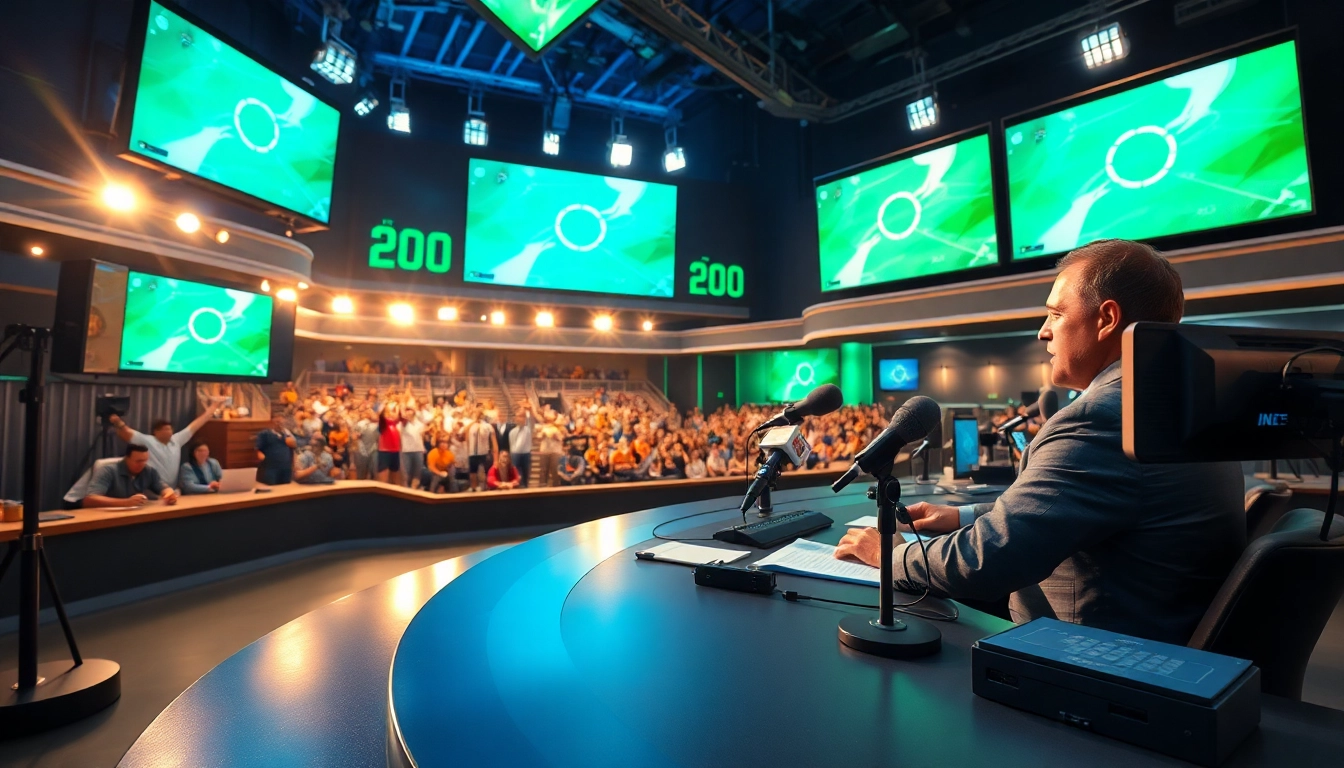
Sports Broadcasting encompasses the transmission of sports events to audiences through various media channels such as television, radio, and online platforms. It serves as a bridge connecting sports fans to their favorite games, allowing them to experience the thrill of live competition from the comfort of their homes. The landscape of Sports Broadcasting has evolved dramatically over the decades, integrating technology and changing consumer behavior.
The Evolution of Sports Broadcasting
The journey of Sports Broadcasting began with radio broadcasts in the early 20th century, captivating listeners with play-by-play descriptions of events. This was followed by the arrival of television, which revolutionized the industry, offering visual storytelling that enhanced viewer engagement. The late 20th and early 21st centuries ushered in digital platforms and streaming services that provided unprecedented access to live sports, allowing fans to watch games on-the-go. Today, Sports Broadcasting continues to innovate, adapting to the demands of a more interactive audience.
Roles in Sports Broadcasting Industry
Numerous roles contribute to the Sports Broadcasting ecosystem, each integral to delivering a cohesive viewing experience. Key players include:
- Producers: Responsible for overseeing the logistics of a broadcast, ensuring that both content and technology align.
- Camera Operators: Capture the action from various angles, enhancing the broadcast quality and immediacy.
- Commentators: Provide live commentary, analysis, and context to the events, helping audiences connect with the drama unfolding.
- Directors: Guide the broadcast, making real-time decisions to switch camera angles or highlight specific moments.
Key Components of Effective Sports Broadcasting
Production Techniques in Sports Broadcasting
Successful Sports Broadcasting relies on various production techniques that enhance viewer engagement and convey the excitement of live events. Multi-camera setups provide different perspectives, enabling a more immersive experience. Additionally, graphics and replay technology help illustrate pivotal moments in games, offering deeper insights for fans. Incorporating live elements, such as audience polls or social media interactions, further fosters community engagement during broadcasts.
Equipment and Technology Needed
The backbone of high-quality Sports Broadcasting consists of advanced equipment and technology. Key components include:
- Cameras: High-definition cameras, including 4K and 8K options, are essential for capturing crisp visuals.
- Audio Equipment: Quality microphones and sound systems ensure that commentators and live event sounds are clearly transmitted.
- Broadcast Software: Tools such as graphics generators and editing software help enhance the storytelling aspect of broadcasts.
- Streaming Gear: For online broadcasts, dedicated streaming devices optimize bandwidth and improve viewer experience.
Importance of Commentators and Analysts
Commentators and analysts play a pivotal role in shaping the viewer's experience during Sports Broadcasting. They provide not only real-time insights and context but also inject personality and emotion into the presentation. Effective commentators balance a deep understanding of the sport with the ability to engage audiences in a way that keeps them on the edge of their seats. Viewer satisfaction often hinges on their performance, making them indispensable in the broadcast landscape.
Strategies to Enhance Audience Engagement
Utilizing Social Media for Sports Broadcasting
Social media has transformed the way fans interact with sports. Broadcasters harness platforms like Twitter, Instagram, and Facebook to create a dialogue with viewers, sharing highlights, behind-the-scenes content, and interactive polls that encourage participation. Live-tweeting events and generating hashtags help foster real-time community connections, making the audience feel part of the action. Engaging influencers and fan-generated content further amplifies reach and builds loyalty.
Interactive Features that Attract Viewers
To maintain viewer interest, broadcasters are increasingly integrating interactive features. Live voting and polling allow fans to express preferences during broadcasts, and augmented reality elements can provide immersive experiences that deepen understanding of the game. Features such as 'choose your angle' let audiences select how they view the action, catering to individual preferences and enhancing the viewing experience.
Creating Compelling Content for Fans
Content creation should focus on weaving narratives that resonate with fans. Highlighting player backstories, historical rivalries, and milestone moments fosters emotional connections, enhancing viewer engagement. Additionally, creating exclusive pre-game and post-game segments keeps fans returning for more, turning broadcasts into a complete entertainment package rather than just event viewing. Leveraging user-generated content, such as fan reactions and behind-the-scenes clips, further personalizes the experience.
Challenges in Sports Broadcasting
Managing Live Broadcast Risks
Live events introduce unpredictable factors that can disrupt broadcasts. Broadcasters must prepare for potential technical failures, unexpected weather conditions, and unpredictable game developments. This preparation often includes redundant systems, backup power supplies, and continuous communication with technical teams to mitigate risks. Training and rehearsal of live scenarios can also enhance teams' readiness, ensuring smooth transitions during broadcasts.
Navigating Copyright and Licensing Issues
The legal landscape surrounding Sports Broadcasting is complex, with strict copyright and licensing regulations to protect intellectual property. Broadcasters must secure rights for each event they cover, negotiate licensing agreements, and stay compliant with broadcasting laws. Failure to adhere can result in substantial fines or legal repercussions. Establishing clear relationships with leagues and organizations is essential for navigating these challenges successfully.
Addressing Audience Expectations and Feedback
In an age of instantaneous feedback, satisfying audience expectations is crucial. Viewers demand high-quality broadcasts, timely delivery of content, and engaging commentary. Regularly assessing audience feedback through surveys, social media, and focus groups can help broadcasters identify areas for improvement. Using analytics to track engagement metrics allows organizations to adjust strategies, ultimately enhancing the overall viewing experience.
The Future of Sports Broadcasting
Emerging Trends in Sports Broadcasting
The future of Sports Broadcasting is poised for exciting changes, driven by technological advancements and shifts in consumer behavior. As younger audiences embrace streaming services, broadcasters must adapt content delivery to meet these preferences. Additionally, the rise of eSports and virtual competitions has expanded the landscape, creating opportunities for innovative broadcasting formats and content strategies that cater to this growing demographic.
The Impact of Virtual and Augmented Reality
Virtual and augmented reality technologies promise to transform Sports Broadcasting by providing fans with immersive viewing experiences. Imagine being able to watch a game from a player's perspective or interact with the environment in real-time. These technologies are starting to be integrated into broadcasts, offering enhanced statistics and analyses in a visually engaging format. As accessibility improves, these features will likely become mainstream in the near future.
How Data Analytics is Shaping Sports Broadcasting
Data analytics plays a critical role in refining broadcast strategies and enhancing viewer engagement. Broadcasters analyze metrics from viewer behavior to tailor content and improve the overall experience. Data-driven insights can inform decisions on commentary styles, graphics presentation, and pacing. Additionally, the integration of predictive analytics can offer fans real-time insights into game outcomes, adding layers of excitement to the viewing experience.
FAQs:
What is the role of technology in Sports Broadcasting?
Technology enhances the quality and accessibility of broadcasts, providing higher definition and interactive experiences that enhance viewer engagement.
How do broadcasters engage sports fans?
Broadcasters use social media, interactive content, and fan polls to connect with viewers, ensuring they feel involved and invested in the sporting events.
What are the common challenges in Sports Broadcasting?
Challenges include managing live event risks, adhering to copyright laws, and meeting evolving audience expectations through continuous feedback and adaptation.
How has Sports Broadcasting evolved over time?
Over time, Sports Broadcasting has transformed from radio to TV and streams, integrating modern technologies to enhance viewer experiences and interaction.
What is the importance of commentators in Sports Broadcasting?
Commentators bring life to broadcasts, offering insights, analysis, and narratives that enhance viewer understanding and enjoyment of the sporting events.