
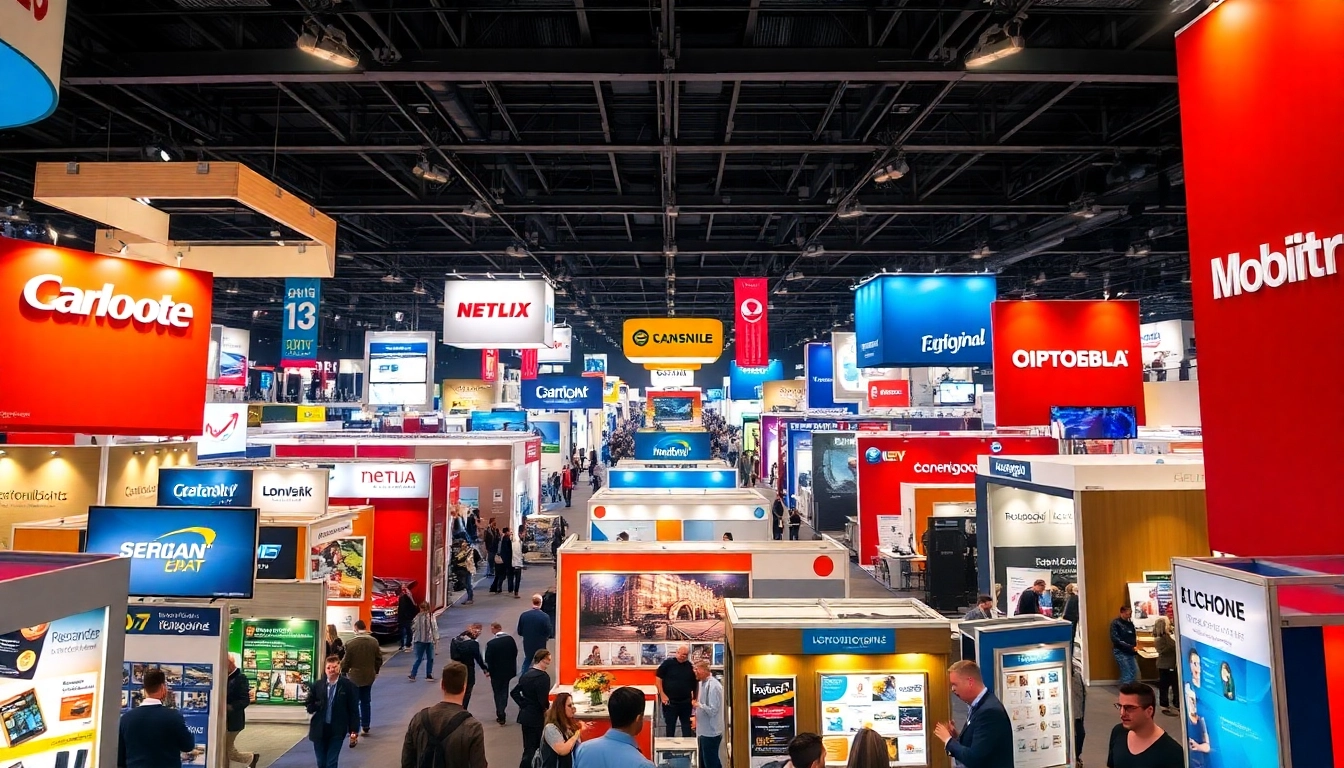
Understanding Exhibition Companies UK
Exhibition companies play a pivotal role in the landscape of trade shows across the United Kingdom, serving as the backbone for businesses looking to showcase their products and services effectively. In a competitive market, exhibition companies uk not only create a platform for visibility but also enhance networking opportunities and brand engagement. Understanding their function and value is essential for businesses considering participation in such events.
What are Exhibition Companies?
Exhibition companies are specialized organizations that assist in planning, designing, and executing trade shows and exhibitions. They encompass a wide array of services, including the design and construction of exhibition stands, logistical management, marketing support, and post-event analysis. These companies are integral partners for businesses looking to make a substantial impact at industry events, enabling them to focus more on their core offerings while the exhibition company handles the intricate details of their participation.
Importance of Exhibition Companies UK in Trade Shows
The significance of exhibition companies in the UK’s vibrant trade show landscape cannot be overstated. These entities help create immersive experiences that attract visitors and potential clients, turning exhibitions into effective marketing tools. They also ensure seamless logistics and coordination, which are crucial for the success of any large-scale event. Additionally, their expertise in understanding market trends and visitor engagement allows businesses to maximize their return on investment (ROI) during these vital promotional activities.
Choosing the Right Exhibition Company for Your Event
Selecting the right exhibition company can mean the difference between a successful showcase and a disappointing experience. Key factors to consider include:
- Experience and Track Record: Look for companies with a proven history of successful events and client testimonials.
- Portfolio: Review their previous work to assess their design capabilities and creativity.
- Services Offered: Ensure they provide a comprehensive range of services that match your specific needs.
- Budget and Costs: Evaluate whether their pricing structure aligns with your budget without compromising on quality.
- Communication: Choose a company with strong communication skills to ensure a smooth collaboration throughout the event planning process.
Key Services Offered by Exhibition Companies UK
Design and Creation of Exhibition Stands
Perhaps the most visible service offered by exhibition companies is the design and construction of exhibition stands. These stands need to be visually appealing, functional, and reflective of the brand identity. This process involves several stages:
- Concept Development: Understanding client goals and brainstorming ideas.
- Design: Creating detailed layouts, incorporating brand elements, and considering the flow of space.
- Construction: Building bespoke structures utilizing a variety of materials to ensure both durability and aesthetic appeal.
- Installation: Setting up the stand on-site, including necessary equipment like lighting and audiovisual supports.
Effective stand design not only draws attention but also encourages interaction, helping to foster meaningful connections with potential customers.
Logistical Support and Event Management
The logistics of organizing an exhibition can be overwhelming. Exhibition companies manage a variety of logistical elements such as:
- Transport and Installation: Coordinating the movement of exhibition materials to the venue and their installation.
- Supplier Coordination: Managing relationships with various suppliers for audiovisual equipment, furniture, and promotional materials.
- On-Site Management: Providing staff for on-ground support, ensuring everything runs smoothly during the event.
Such comprehensive logistical management allows companies to concentrate on engaging with visitors and optimizing their exhibit performance instead of worrying about the operational details.
Post-Event Analysis and Reporting
After the dust settles on an exhibition, the real work often begins. A good exhibition company will provide valuable insights through post-event analysis, which may include:
- Visitor Footfall Analysis: Understanding the number of visitors and the demographics to assess engagement levels.
- Lead Generation: Evaluating the quality and quantity of leads generated during the event to determine ROI.
- Feedback Collection: Gathering opinions from both attendees and clients to improve future exhibitions.
This data-driven approach allows businesses to refine their exhibit strategies and enhance performance for future trade shows.
Top Trends in the Exhibition Sector
Sustainable and Eco-Friendly Exhibition Practices
As awareness of environmental issues grows, many exhibition companies are adopting sustainable practices. This includes utilizing eco-friendly materials for stands, reducing waste, and implementing energy-efficient solutions. Many companies now aim for a reduced carbon footprint, which resonates well with audiences increasingly concerned about sustainability.
Innovative Technology in Exhibitions
Technology has revolutionized the way exhibitions operate. Key innovations include:
- Virtual Reality (VR) and Augmented Reality (AR): These technologies create immersive experiences that allow visitors to interact with products in unique ways.
- Mobile Applications: Custom apps help visitors navigate the event, providing schedules and connecting them with exhibitors.
- Interactive Displays: Touch screens and digital signage engage visitors and enhance learning experiences.
Integrating technology not only captivates audiences but also drives engagement, helping brands stand out in competitive environments.
Customization and Personalization in Exhibitor Stands
Today's exhibition landscape demands a more personalized approach. Companies are investing in customized stands that reflect their unique brand story and values. Features of personalized stands may include:
- Brand-Specific Designs: Tailored visuals that resonate with the target audience.
- Interactive Elements: Custom engagements, such as live demonstrations or personalized giveaways.
- Audience-Centric Layouts: Designing spaces that encourage visitor interaction based on behavioral analyses.
Such tailored experiences encourage deeper connections with potential clients and increase brand retention.
Case Studies: Successful Exhibitions by Top UK Companies
Highlighting Innovative Exhibits at Trade Shows
Researching successful previous exhibitions can provide valuable insights, uncovering best practices and innovative designs that have made an impact. For instance, a leading tech company utilized AR and VR to create a fully immersive experience, allowing visitors to engage with their new product range in an exciting manner. Attendees expressed high levels of interest, attributing a significant increase in post-event inquiries directly to this innovative approach.
Feedback from Clients and Attendees
Gathering feedback is essential to gauge the effectiveness of an exhibition. Many companies report that follow-ups indicate a strong alignment between the exhibition experience and their overall brand perception. Surveys collected from attendees highlighted aspects such as the effectiveness of information delivery and visitor engagement through interactive displays, which directly influenced their purchasing decisions.
Impact on Brand Visibility and Engagement
Successful exhibitions significantly enhance brand visibility. For example, a furniture design company showcased its latest collection through a modular stand, allowing flexibility in design and layout. The engagement created at such events improved their market presence, as reflected in a 30% uptick in brand mentions on social media following the exhibition.
Future of Exhibition Companies UK
Predicted Trends for Upcoming Years
Moving forward, key trends expected to shape the future of exhibition companies in the UK include:
- Increased Focus on Networking: As businesses continue to seek deeper connections, exhibitions will evolve to prioritize networking opportunities, aided by tech solutions that facilitate introductions and collaborations.
- Integration of Hybrid Events: Integrating physical attendance with digital components will become more prevalent, allowing broader reach and engagement.
- Data-Driven Decision Making: Companies will increasingly rely on data analytics to tailor their exhibitions, predicting outcomes and improving strategies based on attendee behavior.
How to Stay Competitive in the Exhibition Industry
To stay ahead, exhibition companies must constantly innovate. This may include investing in the latest technology, such as predictive analytics for visitor engagement and adopting sustainable practices that address environmental concerns. Continued professional development and staff training will be critical to maintaining standards and fostering creativity in exhibition design.
Leveraging Digital Platforms for Hybrid Exhibitions
As hybrid events become the norm, embracing digital platforms will be crucial for exhibition success. This includes:
- Virtual Platforms: Utilizing platforms that effectively replicate the in-person experience for online attendees.
- Enhanced Online Engagement: Creating interactive online experiences that mirror in-person interactions.
- Follow-Ups: Ensuring effective follow-up strategies for both online and in-person leads to maximize engagement post-event.
By blending traditional exhibition techniques with digital innovation, companies can adapt to the evolving landscape, ensuring they remain competitive in the fast-paced exhibition industry.