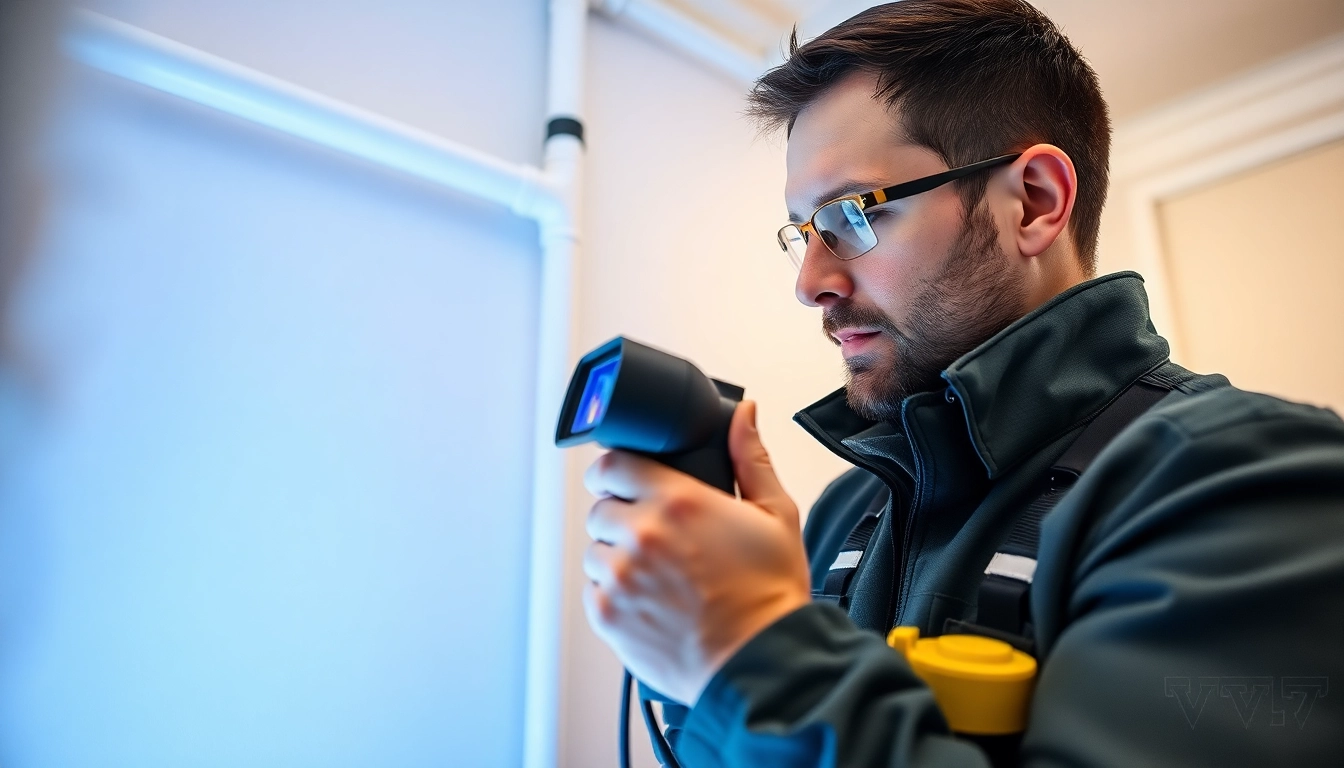
Efficient Techniques for Spray Foam Removal East Sussex: A Comprehensive Guide

Understanding Spray Foam Removal East Sussex
Spray foam insulation is a widely used material known for its excellent insulating properties. It is applied as a liquid and expands to fill gaps, cracks, and voids, creating an airtight seal. However, there are times when the removal of spray foam becomes necessary, whether due to improper installation, contamination, or simply the desire for a different insulation option. For those in East Sussex considering this process, a comprehensive understanding of spray foam removal East Sussex is crucial.
What is Spray Foam?
Spray foam insulation consists of two primary components: isocyanates and polyols, which, when mixed together, create a foam that expands to fill spaces. There are two main types: open-cell and closed-cell spray foam. Open-cell foam is less dense and is often used in interior applications, whereas closed-cell foam is denser and provides a higher R-value per inch, making it suitable for exterior applications. While effective, spray foam’s permanence can pose challenges when it requires removal.
Common Reasons for Removal
There are several reasons why homeowners might seek to remove spray foam insulation:
- Improper Installation: Poor application can lead to gaps or insufficient insulation.
- Moisture Problems: If spray foam traps moisture, it may promote mold growth.
- Health Concerns: Off-gassing of chemicals can impact indoor air quality.
- Changes in Insulation Needs: Homeowners may want to upgrade or change insulation types for better efficiency.
The Importance of Professional Removal
Removing spray foam insulation is not a straightforward task. Professional removal is recommended because experienced technicians understand the complexities involved. They use specialized tools and techniques that minimize damage to underlying structures and ensure that hazardous materials are handled safely. Additionally, professional services often include cleanup and disposal, ensuring compliance with local regulations.
Essential Tools for Spray Foam Removal East Sussex
Types of Equipment Needed
Removing spray foam insulation requires specific tools, including:
- Heat Guns: These are used to soften the foam for easier removal.
- Scrapers: Different types of scrapers help to lift and remove foam from various surfaces.
- Vacuum Systems: Essential for collecting debris generated during removal.
- Work Platforms: Provide safe access to ceilings or elevated areas where spray foam may be present.
Safety Gear for Technicians
Safety is paramount during the removal process. Technicians should always wear appropriate PPE such as:
- Respirators: Protect against inhaling harmful particles or fumes.
- Gloves: Prevent skin irritation from chemicals.
- Goggles: Protect the eyes from debris and airborne particles.
- Protective Clothing: Ensures skin is shielded from contact with hazardous material.
Cost Considerations for Tools
The cost of tools for spray foam removal can vary widely depending on equipment quality and type. Professional-grade tools can be more expensive but offer better efficiency and results. Rent-to-own options may be available for homeowners who prefer a DIY approach. However, considering the potential hazards and complexity, hiring professionals who already possess the necessary equipment can ultimately be more cost-effective.
Step-by-Step Process of Spray Foam Removal East Sussex
Preparation before Removal
Preparation is key to an effective spray foam removal process. Technicians should:
- Assess the area to determine the extent of foam coverage and type.
- Ensure that all necessary safety gear is available and used.
- Isolate the work area to prevent contamination of other spaces.
- Gather and prepare all necessary tools.
Executing the Removal Process
The removal process generally involves several steps:
- Softening the Foam: A heat gun is often applied to soften the spray foam, making it easier to scrape away.
- Scraping the Foam: Using scrapers, technicians carefully remove the softened foam from surfaces. This may require patience and precision to avoid damaging underlying materials.
- Vacuuming Residue: A vacuum system should be employed to clear up foam debris and prevent it from spreading to other areas.
Post-Removal Cleanup and Inspection
Once the foam has been removed, thorough cleanup and inspection are essential:
- Inspect underlying structures for damage or moisture issues that may need addressing.
- Ensure all debris is properly disposed of, adhering to local regulations.
- Prepare the area for new insulation if required.
Challenges in Spray Foam Removal East Sussex
Dealing with Difficult Foam Types
Some spray foams are engineered to be highly durable and resistant, presenting challenges during removal. Closed-cell spray foam, for instance, can be particularly tough to remove due to its density. Implementing the right techniques and tools is critical in overcoming these challenges.
Time Management During the Process
Spray foam removal can be time-consuming, especially if it has been improperly installed or has been in place for a long time. Effective time management strategies include planning the workflow, properly training technicians, and ensuring that the right tools are at hand to reduce frustration and delays.
Common Mistakes to Avoid
Avoiding common pitfalls can make a significant difference in the removal process:
- Rushing the removal may lead to injuries or damage to structures.
- Neglecting safety equipment can pose health risks.
- Failing to adequately inspect the area post-removal can result in costly mistakes later.
FAQs on Spray Foam Removal East Sussex
What Is Spray Foam Removal?
Spray foam removal is the process of extracting spray foam insulation from surfaces, often due to improper installation, moisture issues, or health concerns.
How Long Does the Removal Process Take?
The duration of spray foam removal depends on the size of the area and the foam type but typically ranges from a few hours to a full day.
Is It Safe to Remove Spray Foam Myself?
While DIY removal is possible, it is not recommended due to health risks and potential damage to property. Hiring professionals is safer and more effective.
Can Spray Foam Affect Indoor Air Quality?
Yes, spray foam can off-gas chemicals that may negatively impact indoor air quality if not installed or removed correctly.
What Should I Do After Removal?
After removal, inspect for any damage, clean the area thoroughly, and consider upgrading to a different type of insulation if needed.