Stylish and Functional Wet Room Shower Solutions for Every Home
Understanding Wet Room Shower Concepts
What Is a Wet Room Shower?
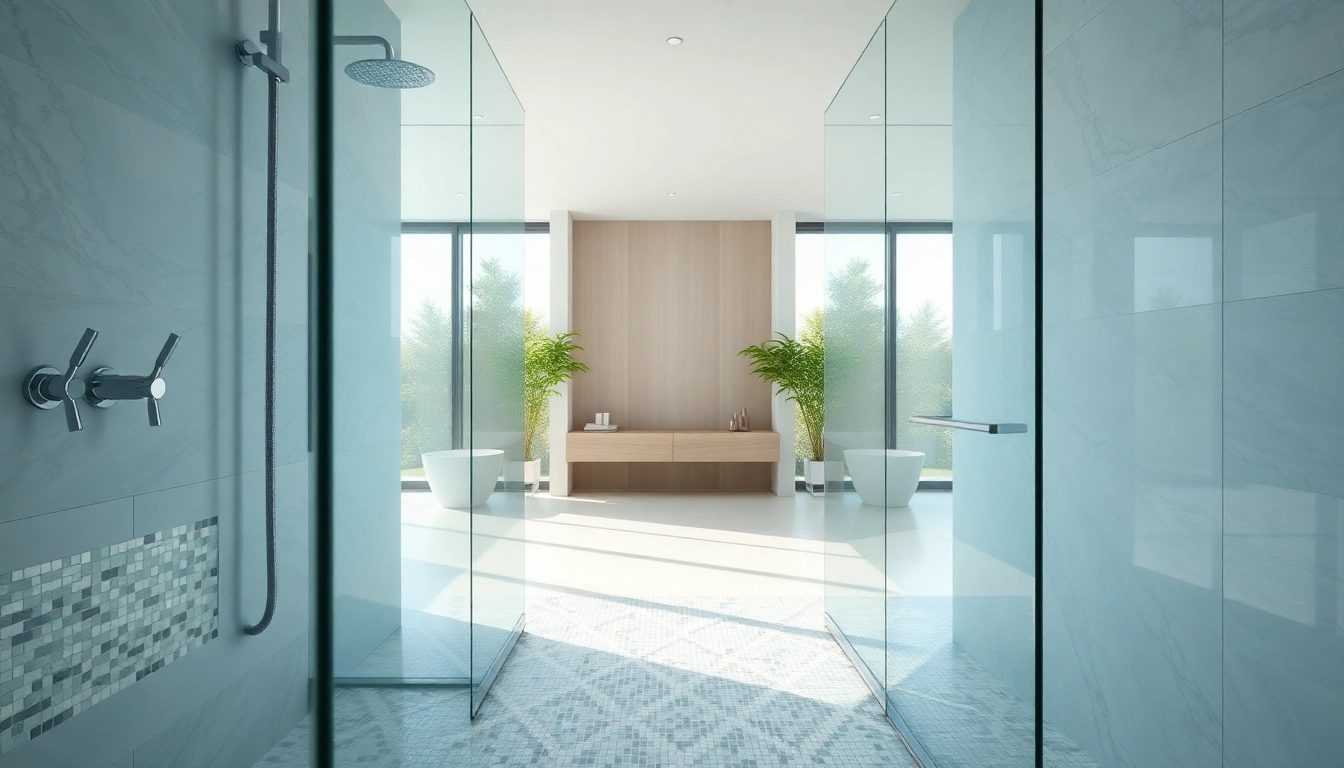
A wet room shower represents a modern bathroom design choice where the shower area is integrated into the overall bathroom space without a traditional enclosure. This design allows for a seamless flow and maximizes the available space while providing an open and airy feel. Wet rooms are typically characterized by a sloped floor to facilitate drainage, waterproofing to prevent leaks, and minimalistic aesthetics to create a luxurious appearance.
Benefits of Wet Room Showers
Wet room showers offer numerous advantages, making them increasingly popular in residential bathrooms:
- Space Efficiency: Wet rooms can create the illusion of more space, making them ideal for smaller bathrooms. With no bulky shower enclosure, they maximize usable floor space.
- Accessibility: These showers provide easy access for individuals with mobility challenges. A level access design eliminates barriers and enhances usability for everyone.
- Design Versatility: With no traditional shower curtain or door, wet rooms offer a canvas for creative designs—ranging from minimalist to luxurious—with endless tile, lighting, and fixture options.
- Easy Maintenance: Their simple design means fewer nooks and crannies for dirt and mold, making cleaning more manageable. High-quality materials can be used to enhance durability.
- Increased Property Value: A well-designed wet room can enhance the aesthetic appeal of your home and increase its market value due to its modern and luxurious look.
Key Features to Consider
When setting up your wet room shower, consider the following essential features:
- Waterproofing: Proper waterproofing is crucial. Ensure that your floor and walls are waterproofed to prevent damage and mold.
- Drainage: Effective drainage systems are essential. Select a drain that efficiently channels water away from the shower area.
- Flooring: Choose tiles or materials with non-slip properties to enhance safety, especially when wet.
- Heating: Underfloor heating can make your wet room more comfortable, especially in cooler months.
- Ventilation: Adequate ventilation is necessary to prevent moisture buildup and maintain air quality.
Design Inspirations for Your Wet Room Shower
Modern vs. Traditional Styles
Deciding between modern and traditional design for your wet room shower should reflect your personal taste and home’s overall aesthetic. Modern wet rooms often feature sleek lines, minimalist designs, and a neutral color palette that emphasizes simplicity and elegance. Benefits of modern design include:
- Streamlined fixtures
- Futuristic materials like glass, acrylic, and chrome
- A focus on maximizing natural light
In contrast, a traditional wet room may incorporate vintage fixtures, wood accents, and elaborate tile work. This style combines comfort with classic beauty, balancing function and a warm ambiance.
Color Schemes and Material Choices
The choice of color and materials plays a vital role in the overall look and feel of your wet room shower. Neutral tones such as whites, grays, and soft pastels create a calm atmosphere while allowing you to experiment with bolder design elements. When considering materials:
- Floor Tiles: Ceramic and porcelain tiles are popular due to their durability and water resistance. Natural stone offers a unique aesthetic but requires more maintenance.
- Wall Finishes: Use waterproof paint or tile options that complement your overall design. Glass panels can enhance the feeling of openness.
- Fixtures: Opt for quality fixtures in materials like stainless steel or brass that contribute to both aesthetics and longevity.
Incorporating Accessories and Storage
Efficient storage solutions are critical in a wet room. Floating shelves, built-in niches, and wall-mounted cabinets keep your space organized without compromising style. Consider the following accessories to enhance functionality:
- Shower Caddies: These keep your bath products organized and within reach.
- Grab Bars: A practical addition that enhances accessibility and safety.
- Water Softener: Reduces mineral buildup on fixtures, keeping them looking new longer.
Installation Process and Requirements
Preparing Your Space
Before proceeding with the installation, ensure your bathroom is prepared for a wet room shower:
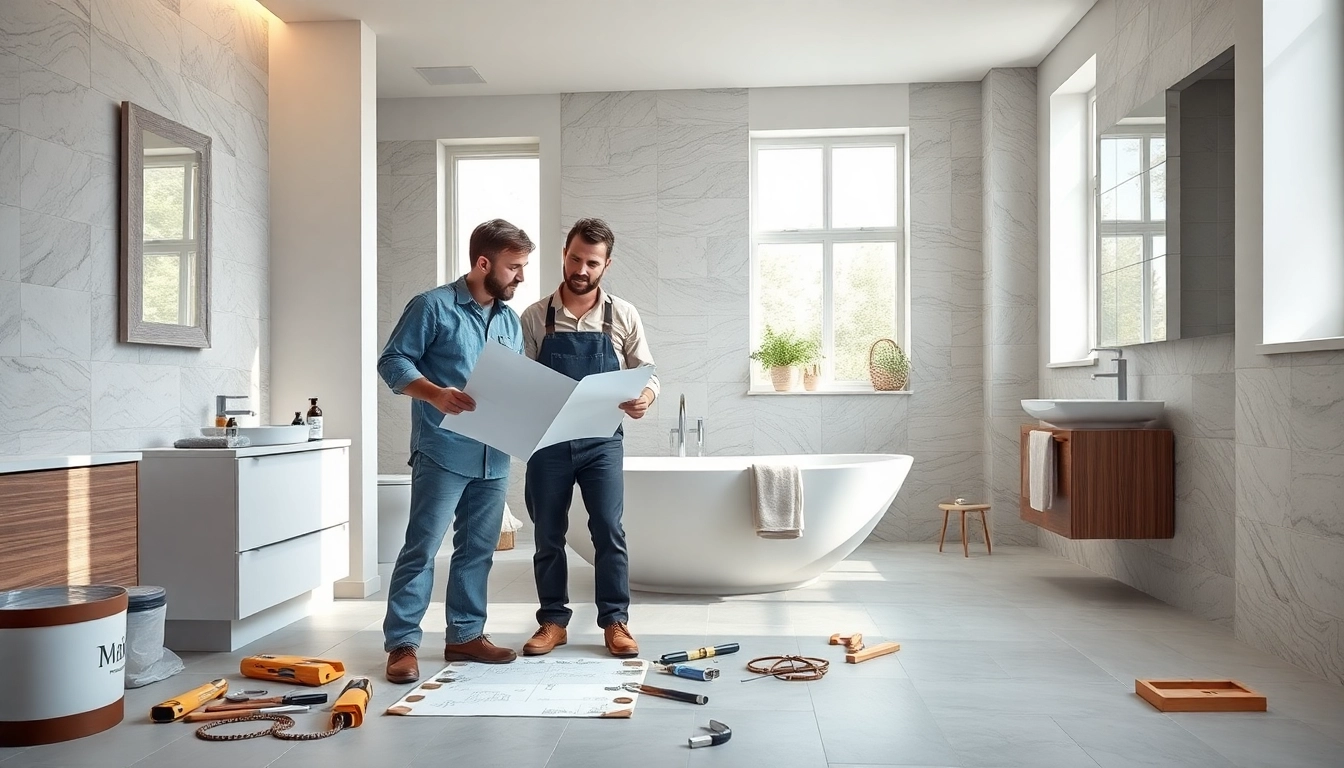
- Space Assessment: Measure your bathroom and determine the best layout for your wet room.
- Demolition: Clear the area of old fixtures and materials. Ensure that plumbing and wiring are up to code.
- Structural Considerations: Evaluate your floor support and ensure it’s suitable for a wet room design, focusing on using proper materials.
Choosing the Right Contractor
Selecting a qualified contractor is crucial for a successful wet room installation. Look for:
- Experience with wet room projects
- Positive reviews and testimonials
- Written estimates and transparent pricing
Be sure to communicate your vision clearly and ask for their input on the design and functionality.
Essential Materials and Tools
Having the right materials and tools for the installation is key:
- Waterproof Membrane: Essential for preventing water damage.
- Drainage System: A high-quality drainage system to manage water effectively.
- Tile Adhesive and Grout: Designed for wet environments, providing longevity.
- Hand Tools: Such as tile cutters, drills, and wrenches for installation.
Caring for Your Wet Room Shower
Cleaning and Maintenance Tips
Regular cleaning and maintenance will prolong the life of your wet room shower:
- Use a squeegee after each use to prevent water spots and soap scum.
- Employ gentle, non-abrasive cleaners to protect surfaces and finishes.
- Check for leaks periodically and repair promptly to avoid water damage.
Preventing Common Issues
Common issues in wet room showers include:
- Mold Buildup: Ensure adequate ventilation to mitigate moisture accumulation, and consider anti-fungal treatments on surfaces.
- Clogged Drains: Regularly inspect and clean the drainage system to avoid blockages.
- Water Damage: Regular checks on waterproofing will ensure continued protection against leaks.
Upgrading Features and Finishes
Over time, consider upgrading your wet room shower features for enhanced comfort and aesthetics:
- Showerheads: Opt for rainfall showerheads or multi-function units for a more luxurious experience.
- Lighting: Incorporate ambient lighting or backlit mirrors to create an inviting space.
- Smart Controls: Upgrade to digital shower systems for precise temperature control and convenience.
FAQs About Wet Room Showers
How much space do I need for a wet room shower?
A wet room shower can function well in spaces as small as 3×3 feet, although a larger area (4×6 feet) provides greater comfort and usability.
Are wet room showers suitable for small bathrooms?
Yes, wet room showers are excellent for small bathrooms as they create an illusion of space while offering versatility in design.
What materials are best for wet room showers?
Water-resistant tiles, glass, and high-quality fixtures are ideal for wet room showers, ensuring durability and easy maintenance.
How can I improve water drainage in my wet room shower?
To enhance drainage, ensure the floor is adequately sloped toward a high-quality drain and consider installing additional drains if necessary.
Can I install a wet room shower on a concrete slab?
Yes, a wet room shower can be installed on a concrete slab, but proper weatherproofing and drainage considerations are crucial for success.