Essential Guide to Spray Foam Removal for Mortgage Approval
Understanding Spray Foam Removal for Mortgage
When considering a property purchase or refinance, it’s essential to understand how spray foam removal for mortgage can impact your plans. Spray foam insulation, while beneficial in some contexts, can create complications during the mortgage process. This comprehensive guide explores the complexities of spray foam insulation, why removal may be necessary, and how these factors play a pivotal role in mortgage approval.
What is Spray Foam Insulation?
Spray foam insulation is a mixture of two components that, when combined, expand and harden into a solid form. This insulation is known for its excellent thermal performance—offering superior air sealing properties and R-value compared to traditional insulation methods. While it can significantly improve energy efficiency, improper installation or deterioration can lead to issues down the line, such as damage to structure and air quality concerns.
Importance of Spray Foam Removal
While spray foam insulation provides many benefits, it can also lead to significant issues over time. Factors such as moisture retention and chemical off-gassing may necessitate its removal. Additionally, for potential home buyers, understanding the implications of spray foam insulation on home value is critical. Removing problematic foam can make your property more attractive and easier to finance.
Impact on Mortgage Applications
Mortgage lenders often have stringent requirements regarding the condition of a property. If a home contains problematic spray foam insulation, it may affect appraisals and financing options. Prospective buyers need to be aware that remediation may be needed before approval for loans can proceed, thus impacting timelines and overall project costs.
Common Reasons for Spray Foam Removal
Excessive Moisture Issues
Spray foam insulation can trap moisture, leading to mold growth and structural decay if not properly ventilated. When moisture accumulates, it may cause rotting of wood structures and compromise the overall integrity of the building. Keeping track of moisture levels and addressing any issues promptly can prevent costly repairs and the need for removal.
Health Concerns Linked to Chemicals
Some spray foam insulations contain chemicals that can have adverse health effects. Over time, these chemicals may off-gas, leading to indoor air quality issues. Homeowners and potential buyers should be aware of the health implications of residues left from spray foam, making removal not just a matter of aesthetics but also of health safety.
Property Value and Marketability
Properties with well-installed insulation often command higher market values; conversely, those containing problematic spray foam can deter potential buyers. The complexities surrounding spray foam can hinder sales, requiring owners to weigh the costs of removal against the potential appreciation of their real estate investment.
Steps to Remove Spray Foam Safely
Preparation and Safety Measures
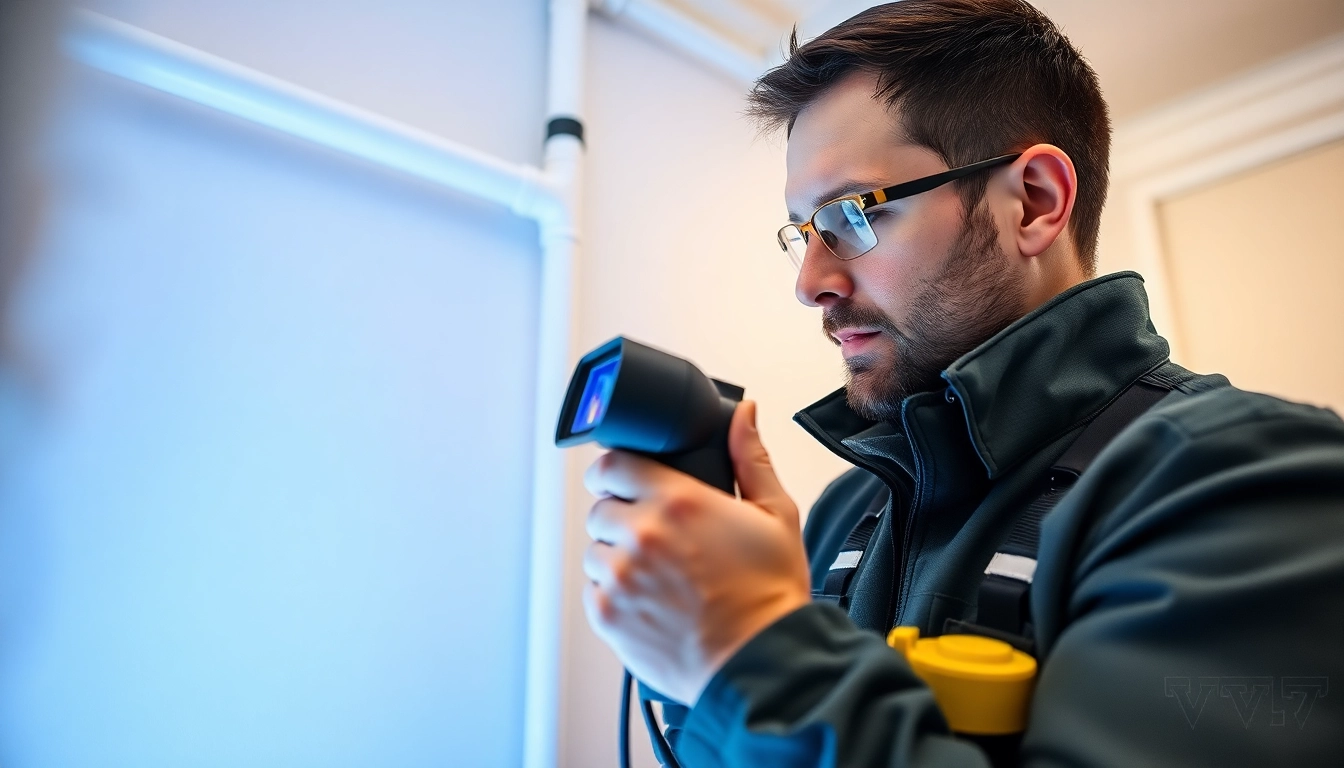
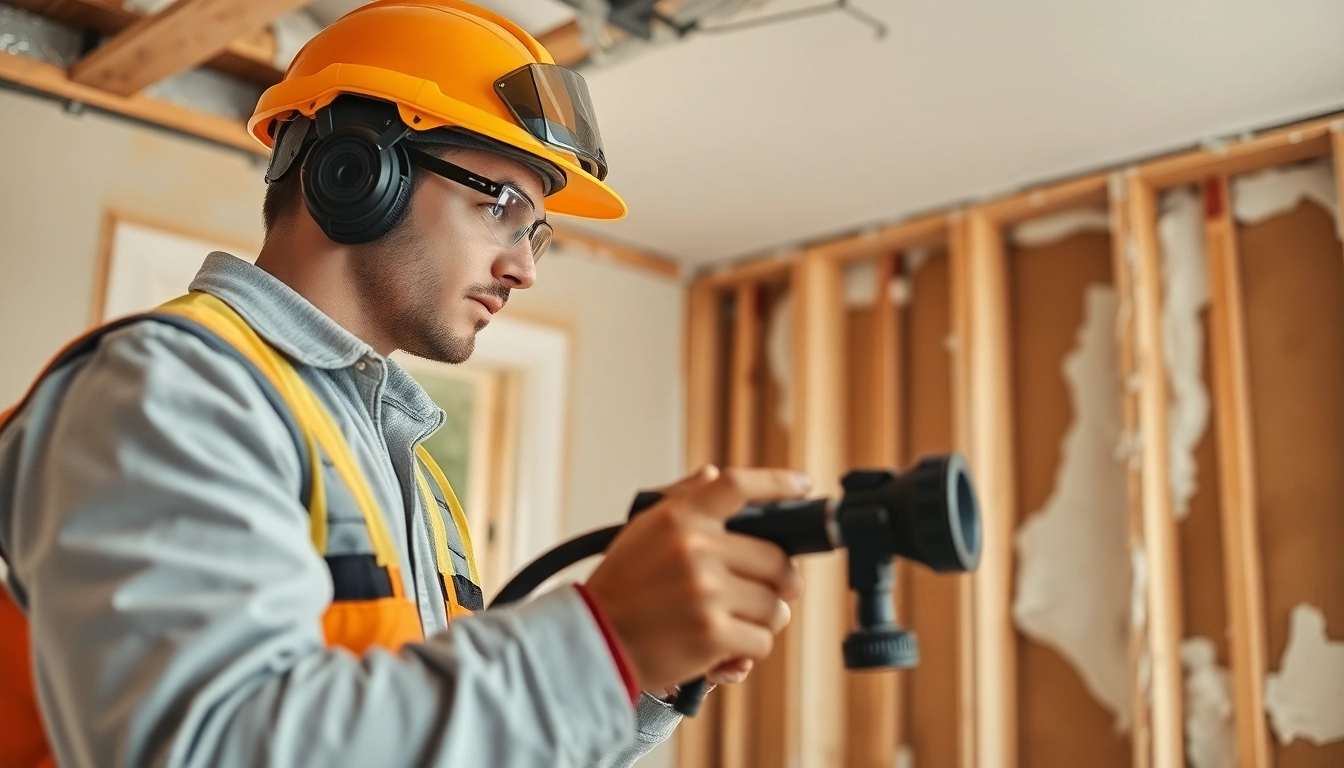
Before initiating spray foam removal, several preparatory and safety measures should be taken. This includes wearing protective gear, ensuring proper ventilation, and using containment strategies to minimize the spread of debris and dust. A thorough assessment of the insulation’s condition is also crucial for developing a clear removal plan.
Tools and Materials Needed
The tools required for safe and effective spray foam removal may include the following:
- Protective gear (goggles, gloves, respirator)
- Utility knife for cutting away foam
- Insulation removal tool for effective scraping
- Industrial vacuum for debris cleanup
Professional vs. DIY Removal
While some homeowners may consider a DIY approach to spray foam removal, it often comes with risks. Professionals are trained to handle the materials safely and can ensure that the job is done correctly, reducing the chances of damage to surrounding structures. Weighing the costs of hiring a professional against potential pitfalls of DIY is essential before deciding the best course of action.
Cost Considerations for Spray Foam Removal
Average Cost Breakdown
The cost of removing spray foam insulation can vary widely based on various factors, including the extent of removal and labor costs. On average, homeowners can expect to pay between $1.50 to $3.50 per square foot. Larger areas or complex removals can command higher prices, especially if additional containment or cleanup measures are necessary.
Factors Influencing Pricing
Several factors influence the pricing of spray foam removal. These may include the type of spray foam, the area’s accessibility, the volume of foam to be removed, and local labor rates. Conducting a thorough evaluation can help homeowners obtain a more accurate estimate tailored to their specific situation.
Potential Long-term Savings
While the upfront costs associated with spray foam removal may seem daunting, it can lead to considerable long-term savings. Improved air quality, reduced health risks, and enhanced property value can outweigh initial investment. Over time, addressing issues proactively can prevent costly repairs and additional expenses linked to maintaining problematic insulation.
FAQs on Spray Foam Removal for Mortgage
How long does spray foam removal take?
The duration of spray foam removal can vary from a few hours to several days, depending on the area involved and the extent of insulation being removed.
Will removing spray foam damage my walls?
When performed correctly, spray foam removal should not damage walls. However, improper techniques may lead to surface repairs being needed after removal.
Can I finance spray foam removal through my mortgage?
Yes, some lenders may allow financing for necessary repairs, including spray foam removal, as part of the mortgage process. Consult with your mortgage advisor for options.
What are signs that I need spray foam removal?
Common signs include visible mold, persistent musty odors, and excessive humidity levels in the insulated areas. These issues indicate the need for inspection and possibly removal.
Is it safe to stay home during the removal process?
Staying home during removal is generally not advisable due to dust and chemical exposure. Planning to be away from the work area until cleaning is completed is best.